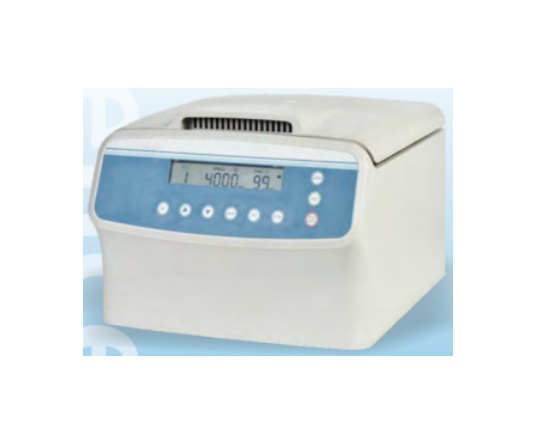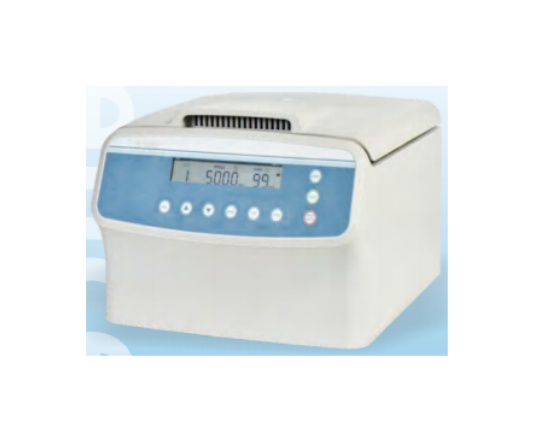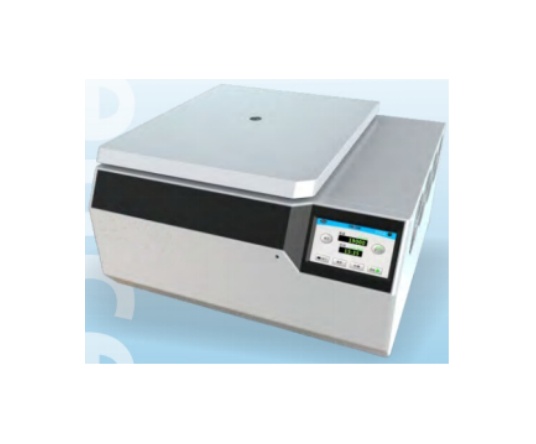
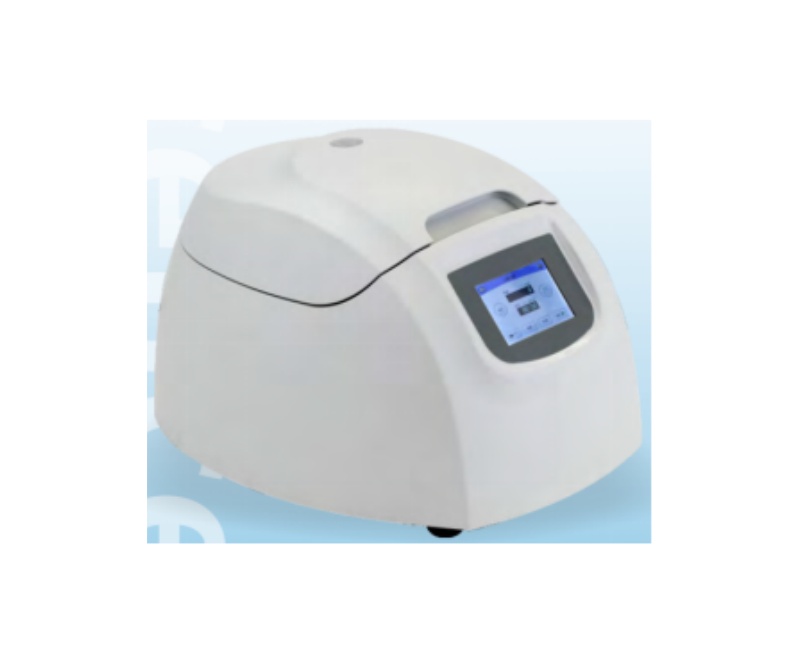
Micro-hematocrit (PCV) Centrifuges
The Micro-hematocrit (PCV) Centrifuge is used for determination of volume fractions of erythrocytes in blood and also for separation of micro blood and solutions.
Ideal for rapid anemia and dehydration screening in all animal species.
PRODUCT DETAILS
In veterinary medicine, the Packed Cell Volume (PCV) and Total Protein (TP) tests are the most critical "stat" diagnostics for any patient. Our Veterinary Micro-hematocrit Centrifuges are specialized high-speed instruments designed to provide rapid, accurate, and repeatable results from minimal blood volumes.
Whether you are managing an emergency trauma case, screening for parasitic anemia, or monitoring hydration in a surgical patient, this centrifuge delivers the diagnostic clarity your clinical team needs in under five minutes.
Product advantages
* Microprocessor control, DC brushless motor for stable and low noise operation.
* Parameters can be set freely during a run.
* G-force can be calculated automatically.
* Countdown time displayed by seconds if the centrifugation time is less than 1 min.
* 5 inch HD touch screen, simple interface , setting parameters and running parameters at a glance.
* Self-diagnosis system can automatically detect the faults of over-speed and no speed signal, door lid interlock to improve the safety performance.
Vital Applications in the Veterinary Lab
The Micro-hematocrit centrifuge is a primary tool for several essential diagnostic tasks:
PCV (Packed Cell Volume) Measurement: The gold standard for assessing red blood cell mass. Essential for diagnosing anemia, polycythemia, and monitoring blood loss.
Dehydration Assessment: Rapidly evaluate a patient's hydration status by comparing PCV and Total Protein levels.
Buffy Coat Analysis: Allows for the visual inspection of the leukocyte and platelet layer, providing a quick screening for severe leukocytosis or microfilaria (such as Heartworm).
Plasma Color Inspection: Enables immediate visual assessment for icterus (liver/hemolysis issues), lipemia (metabolic/post-prandial issues), or hemolysis.
Species-Specific Diagnostic Utility
This equipment is versatile enough for use across the entire spectrum of veterinary patients:
Small Animal (Canine/Feline): The standard diagnostic tool for routine wellness and emergency triage.
Equine & Livestock: Essential for monitoring hydration and systemic health in large animals, where large-volume blood draws are frequent but rapid micro-volume screening is more efficient.
Exotics & Avian Medicine: Because these patients have very small total blood volumes, the ability to run full diagnostics on a single capillary tube (75mm) is life-saving.
Research & Laboratory: Reliable for high-volume sample processing in veterinary research environments.
SPECIFICATIONS
Technical parameter
Order NO | 0203160000 |
Max Speed | 12000r/min |
Max RCF | 14800xg |
Max Capacity | 36 capillaries |
Speed Accuracy | ±30r/min |
Time Setting Range | 1min~99min |
Noise | ≤65dB(A) |
Power supply | AC220V+22V 50Hz |
Power Consumption | 300W |
Dimension(W*D*H) | 320x370x235(mm) |
Packing Dimension(W*D*H) | 530x410x290(mm) |
Net Weight | 11kg |
Rotor parameters
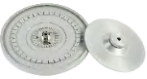
| 36 capillaries rotor Max Speed: 12000r/min Max RCF:14800xg Order No:0301854200 |
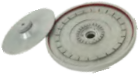
| 24 capillaries rotor Max Speed: 12000r/min Max RCF: 14800xg Order No:0301852700 |
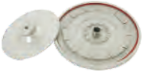
| 12 capillaries rotor Max Speed:12000r/min Max RCF:14800xg Order No:0301856400 | / | |
Frequently Asked Questions (FAQ)
Q: Why do I need a dedicated PCV centrifuge instead of using my swing-out centrifuge?
A: Standard centrifuges often lack the RPM/RCF required to fully pack red blood cells in a capillary tube. Using insufficient force leads to "trapped plasma," resulting in an artificially high PCV reading. Our 12,000 RPM motor ensures clinical accuracy every time.
Q: Does the unit include a reader scale?
A: Most models come with a built-in reader on the rotor lid or a separate graduated scale card. This allows you to read the percentage directly without removing the tubes, minimizing the risk of breakage.
Q: Can I use this for micro-centrifuge tubes (1.5ml/2.0ml)?
A: This specific model is designed for capillary tubes. If you require a unit for 1.5ml micro-tubes, we recommend our Micro-tube Rotor Attachment or our Multi-purpose series.
Q: How long does a standard PCV take to run?
A: For most domestic animals, a 3-to-5-minute run is the standard protocol to achieve maximum packing.