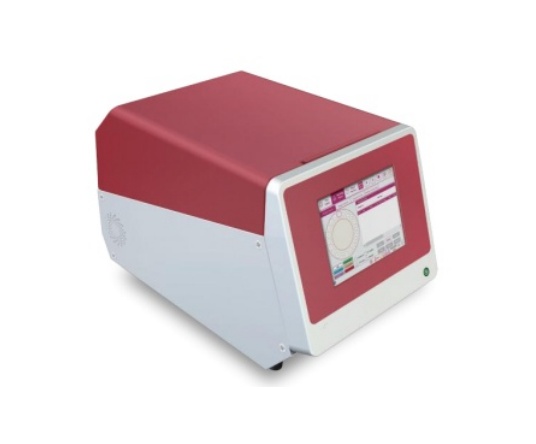
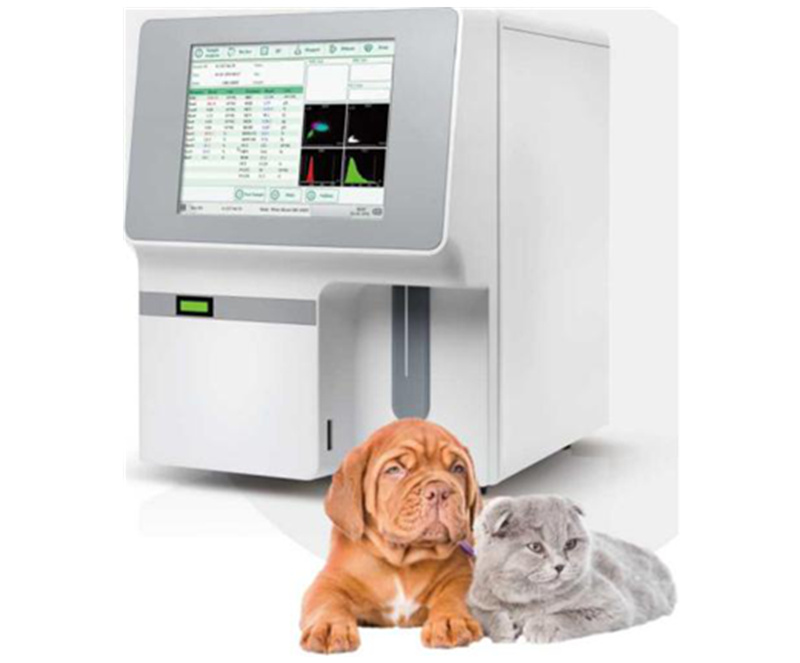
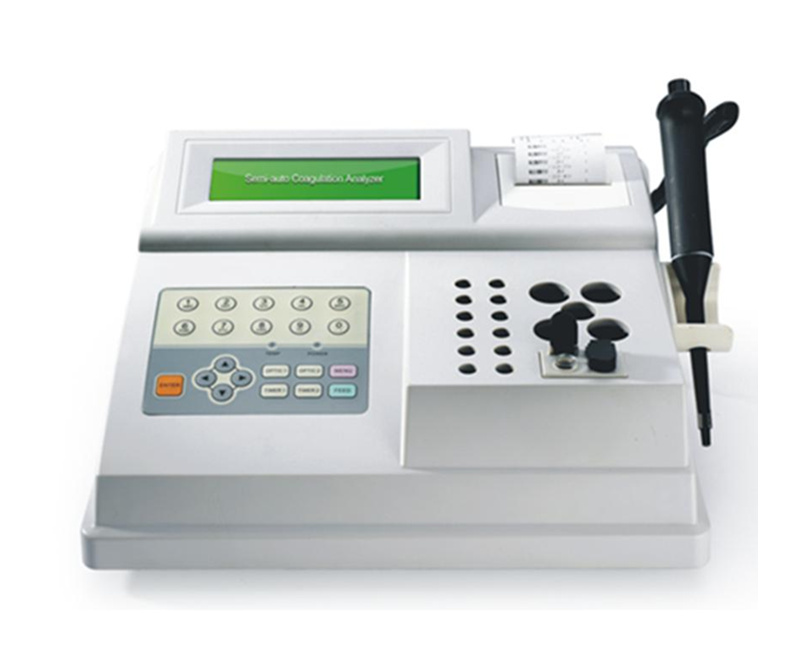
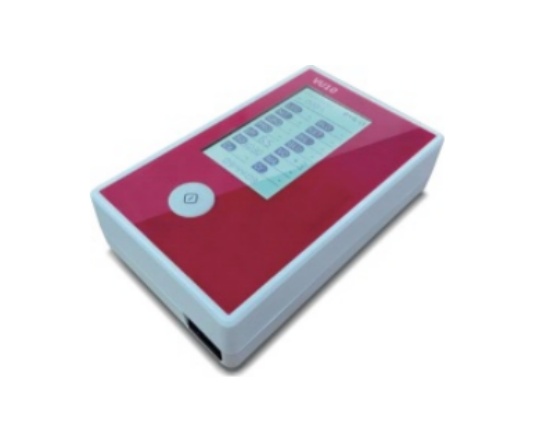
Features
Animal species: Canine, Feline, Equine, Bovine, Porcine, Others
Throughput: 60 samples per hour
Sample volume:100-200μL
Ion: K+, Na+, Cl-, iCa2+, pH, Li+, customized selection of ions, optional CO2
Calibration: Automatic or On-demand
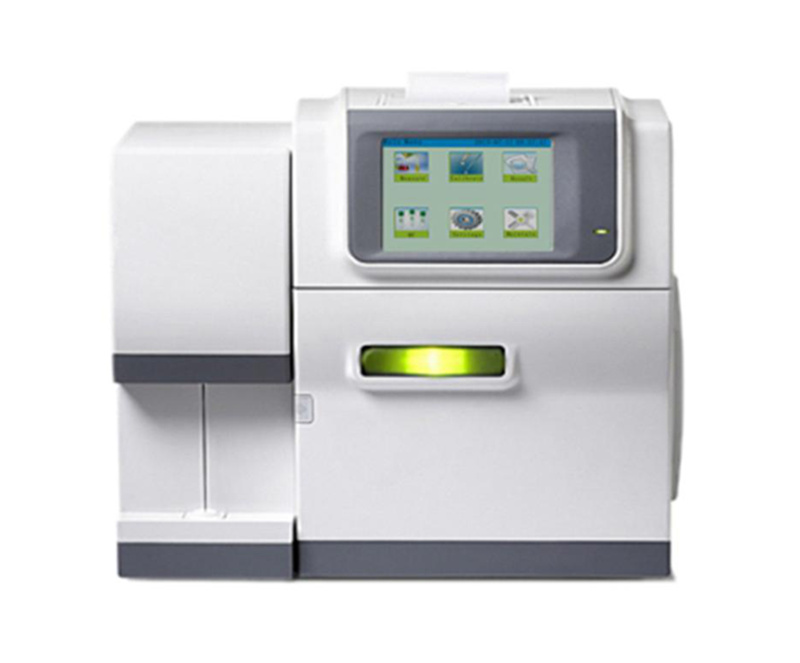
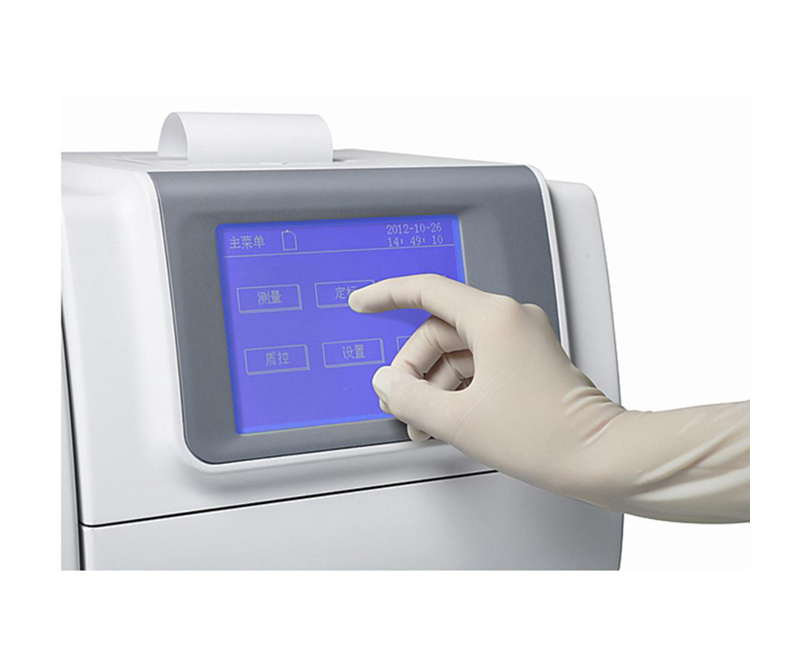
Display: LCD
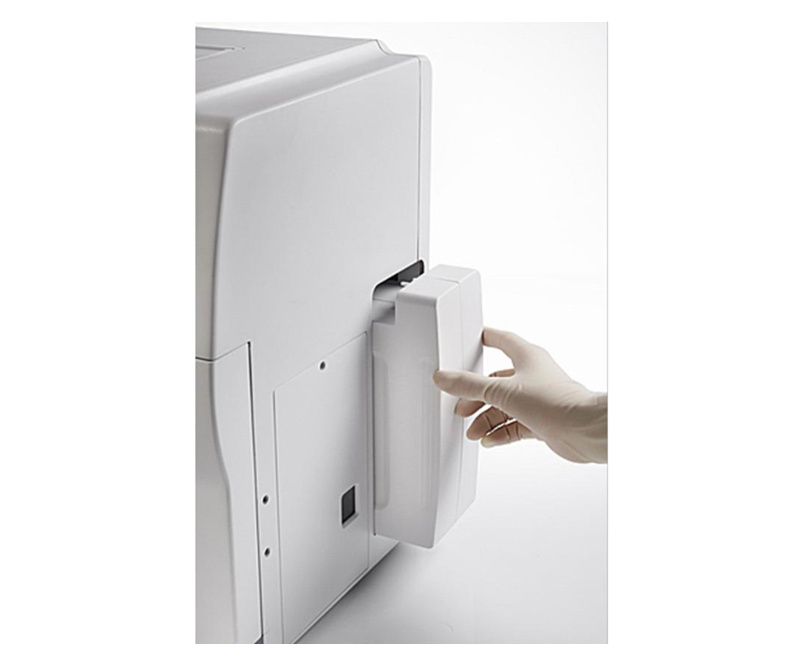
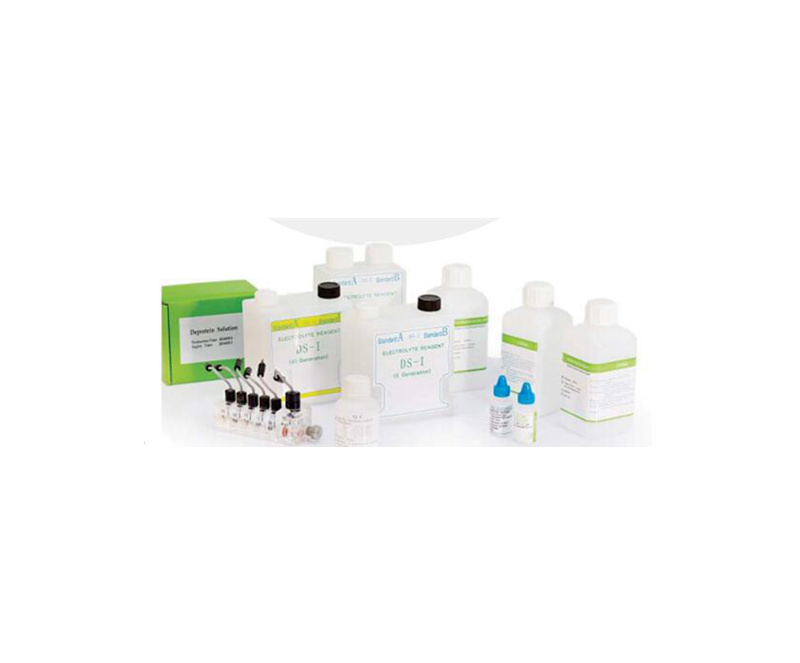
Closed reagent, real time monitoring reagent
Printer: Internal thermal printer
Storage: Up to 50,000 results
Interface: RS-232, support LIS
Built-in thermal printer
Less and easy maintenance
12 months warranty
Specification:
Gerenal technology
Method :Ion selective electrode T
hroughput :60 samples/hour
Electrodes : K+, Na+, Cl-, iCa2+, pH, Li+ ,TCO2 optional
Parameters :K+, Na+, Cl-, iCa2+, pH, Li+ ,TCO2,TCa, KT,AG
Sample volume :100-200 ul
Reagent volume :200-400 ul
Parameter
Eletrode lifespan :12 months
Sample type Serum,CSF,etc
Storage :50,000 samples
Input :5.6 inch touch screen, barcode
Output: Internal printer
Interface :RS 232
Printer paper :80×35mm
Dimension :430mm×275mm×410mm
Software
Language :English,Russian
Unit :mmol/L, mg/dl
Print Auto print, manual print
Liquid detection :Yes
Reagent inventory detectionYes
Date Format :YYYY-MM-DD,MM-DD-YYYY,DD-MM-YYYY
Calibration :Manual & Auto calibration
Others
Power requirement :100~240 AC, 50/60Hz
Power :≤80VA
Work temperature :15-30°C
Relative humidity :20%-80%
Atmospheric pressure :86.0kPa-106.0kPa
Net weight :8 KG
FAQ:
Q1: What are the main parameters measured by a Veterinary Electrolyte Analyzer?
A: Our analyzer typically measures essential blood ions, including Sodium (Na+), Potassium (K+), Chloride (Cl-), Calcium (iCa2+), Lithium (Li+), and pH. These are critical for assessing an animal’s hydration status, acid-base balance, and overall organ function.
Q2: Why is electrolyte testing crucial in veterinary emergency care?
A: Electrolyte imbalances can be life-threatening. Rapid testing is essential during emergency fluid therapy, cases of severe dehydration (vomiting/diarrhea), kidney disease, and heart failure. It allows veterinarians to adjust treatment plans in real-time.
Q3: What type of sample is required, and how much?
A: The device can process Whole Blood, Serum, or Plasma. One of its key advantages is the minimal sample volume (usually 60-150μL), which is perfect for small kittens, puppies, or exotic pets where blood collection is difficult.
Q4: Does the analyzer require complex daily maintenance?
A: No. Our Veterinary Electrolyte Analyzer is designed for busy clinics. It features automated calibration and a self-cleaning fluidic system to prevent blockages. The high-quality electrodes are designed for long-term use with minimal manual intervention.
Q5: How fast can I get the results?
A: The analyzer is built for speed, typically delivering accurate results within 60 seconds after sample aspiration. This makes it an ideal "Point-of-Care" (POCT) tool for intensive care units.
Q6: Are there species-specific reference ranges?
A: Yes! The system comes pre-programmed with reference ranges for various species, including canines, felines, equines, and others, ensuring that the results are interpreted accurately for the specific patient.