
How Much Does It Cost to Open a Veterinary Clinic in 2027? Startup Costs and Equipment Budget Guide
Nov. 13, 2026
Quick answer: Opening a small animal veterinary clinic requires careful financial planning. In the United States, startup costs can range from approximately $250,000 to over $1 million, depending on the clinic's size, location, facility condition, and equipment requirements. For a small clinic operating in leased premises, a more modest budget may be possible with phased equipment purchasing and a controlled buildout plan.
Veterinary Clinic Startup Costs:
- Equipment prices vary depending on manufacturers and specifications.
- Import duties and shipping costs differ by destination country.
- Local medical device regulations may affect purchasing decisions.
- Installation, maintenance and spare parts availability should be considered.
Here's the breakdown we wish someone had shown us to hand every new graduate.
The full startup budget, line by line
Line item
Share of budget
Typical range (US, leased space)
Buildout / leasehold improvements | 40-50% | $120,000-$300,000 |
Medical equipment | 20-30% | $60,000-$150,000 |
Lease deposits and rent (first months) | 3-5% | $15,000-$40,000 |
Licenses, insurance, legal, accounting | 3-5% | $10,000-$25,000 |
Initial pharmacy/inventory | 3-5% | $10,000-$30,000 |
IT, practice management software, website | 2-4% | $8,000-$20,000 |
Marketing and signage | 2-4% | $5,000-$20,000 |
Operating reserve (3-6 months) | 10-15% | $30,000-$80,000 |
Total | 100% | $250,000-$550,000 |
Note: These are illustrative planning estimates for a small leased veterinary clinic in the US, not fixed market prices or a quotation. Individual expense ranges are independent estimates and should not be added by combining every minimum or maximum. Actual costs depend on the project scope, local labor and construction prices, equipment specifications, and available financing.
Two expenses deserve particular attention.
First, buildout costs can exceed expectations.
A veterinary clinic is not simply a standard commercial office. It may require specialized plumbing, electrical systems, ventilation, medical gas connections, examination room layouts, surgical lighting, kennel drainage, and suitable flooring.
These requirements can make renovation one of the largest expenses during the startup process.
Second, working capital should not be overlooked.
A new veterinary practice needs enough cash to cover payroll, rent, utilities, medical supplies, and other operating expenses while its client base develops.
The first few months can be financially challenging, particularly for clinics that start with limited patient volume. Preparing a realistic operating reserve is therefore just as important as selecting medical equipment.
The equipment line item in detail
This is the part we can actually price from real orders, not forum posts. The same clinic budget supports wildly different equipment loads, so here are three configurations we see repeatedly:
Scenario A: Basic Veterinary Clinic (~$55,000 equipment)
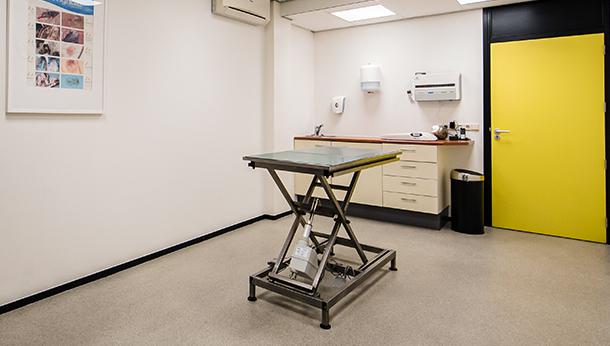
One exam room, refurbished digital X-ray ($15k), basic anesthesia machine with monitor ($6k), tabletop autoclave ($2.5k), scaler/polisher without dental X-ray ($3.5k), chemistry analyzer sent out to a reference lab for the first year, two IV pumps, used kennels. Works for a solo DVM in a rural or low-rent market. Slower growth, but the doors open.
One or two examination rooms
Basic anesthesia and monitoring equipment
Essential sterilization equipment
Basic infusion and treatment equipment
Suitable for small, start-up clinics; prioritize the acquisition of equipment required for routine medical consultations and basic surgical procedures.
Scenario B: the standard practice (~$110,000 equipment)
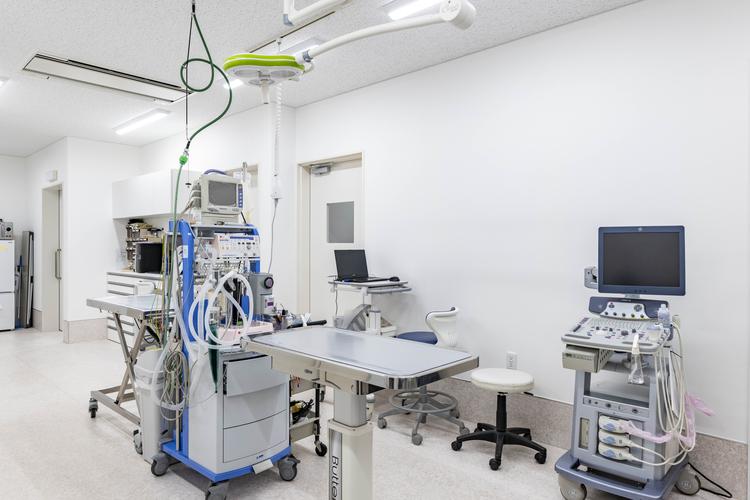
Two exam rooms, new digital X-ray ($28k), dental X-ray plus dental unit ($12k), new anesthesia machine and multiparameter monitor ($11k), Class B autoclave ($6k), in-house chem/hem analyzer ($9k), portable ultrasound ($7k), oxygen cage, ECG, infusion pumps, new kennels. This is the modal clinic we ship to, and the one most lenders expect to see.
Multiple examination rooms
Anesthesia machine and patient monitor
Digital X-ray and ultrasound
Autoclave and infusion pumps
Laboratory and dental equipment
Suitable for clinics that provide comprehensive medical care, surgical procedures, and basic diagnostic imaging services.
Scenario C: Full-Service Veterinary Hospital (~$200,000+)
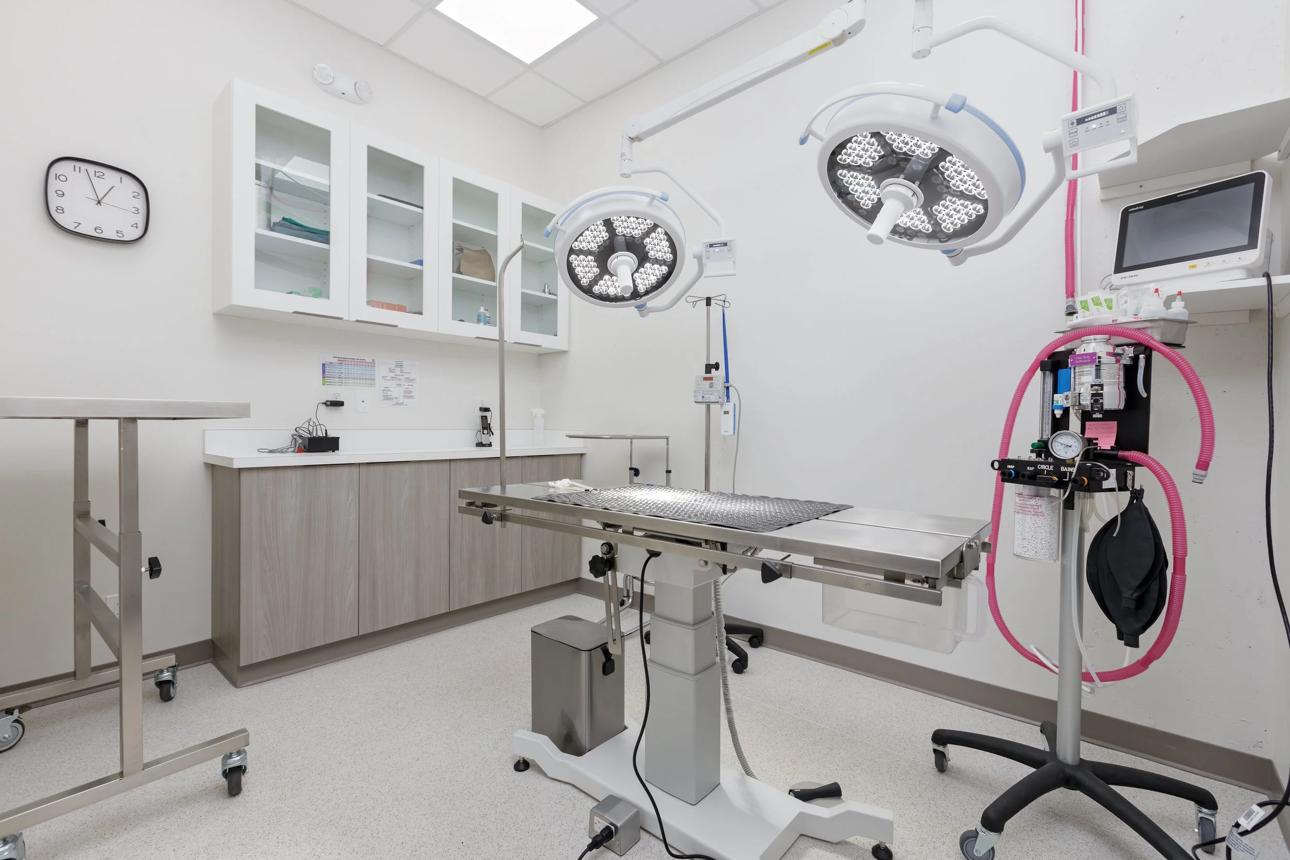
Everything in B plus a second surgery suite, higher-spec ultrasound with cardiac capability, laser therapy unit ($12k-$25k), ICU-grade ventilation, and a second dental suite. Right answer only if you're buying an existing client base or opening with two-plus doctors.
The full room-by-room pricing for each tier lives in our veterinary equipment checklist for a new clinic - start there before pricing individual machines.
Dedicated surgical and diagnostic areas
Advanced imaging and laboratory equipment
Multiple anesthesia and monitoring systems
ICU and rehabilitation equipment
Suitable for comprehensive veterinary hospitals with a broader scope of services and multiple veterinarians on staff.
Essential Veterinary Equipment for a New Clinic
Veterinary medical equipment is one of the most important parts of a clinic's startup investment.
The exact equipment list depends on the services offered, the number of veterinarians, and the types of animals treated. However, most small animal clinics need several basic equipment categories to support daily examinations, treatment, surgery, and patient care.
Below is a practical veterinary equipment checklist for a new clinic.
2.1 Examination and Treatment Equipment
Examination tables are among the most frequently used devices in a veterinary clinic.
They provide a stable working surface for routine examinations, vaccinations, wound care, and other clinical procedures.
Depending on the clinic's requirements, buyers may consider:
Hydraulic veterinary examination tables
Electric veterinary tables
Stainless steel examination tables
Grooming and treatment tables
Adjustable surgical tables
For clinics handling different sizes of dogs and cats, table height adjustment, weight capacity, surface materials, and ease of cleaning are important purchasing considerations.
2.2 Anesthesia Machines and Patient Monitoring Equipment
For clinics performing surgical procedures, anesthesia and patient monitoring equipment are essential parts of the operating room.
A typical configuration may include:
Veterinary anesthesia machine
Veterinary patient monitor
Oxygen supply system
Anesthesia breathing circuits
Appropriate respiratory support equipment
Patient monitors help veterinary professionals observe important parameters such as ECG, SpO2, blood pressure, respiratory rate, and temperature, depending on the monitor configuration.
When selecting an anesthesia system, buyers should consider animal size, ventilation requirements, available monitoring functions, and compatibility with the clinic's intended procedures.
2.3 Veterinary Autoclaves and Sterilizers
Instrument sterilization is an essential part of maintaining infection control in veterinary clinics.
A suitable veterinary autoclave helps sterilize reusable surgical instruments and other compatible medical equipment.
Common purchasing considerations include:
Chamber capacity
Sterilization temperature and cycles
Automatic or manual operation
Drying performance
Instrument load requirements
Maintenance and service availability
Small clinics may begin with a compact tabletop autoclave, while larger practices may require a higher-capacity sterilization system.
Explore IVETWELL Veterinary Autoclaves and Sterilizers for equipment options.
2.4 Veterinary Infusion Pumps
Infusion pumps are widely used in veterinary treatment to deliver fluids and medications at controlled rates.
They are particularly useful in anesthesia, surgery, postoperative care, and the treatment of hospitalized animals.
When choosing an infusion pump, clinics should consider:
Flow rate range and accuracy
Compatibility with commonly used infusion sets
Alarm functions
Battery operation
Ease of cleaning and operation
The number of pumps required depends on the clinic's patient volume and treatment capabilities.
Learn more about IVETWELL Veterinary Infusion Pumps.
2.5 Veterinary Ultrasound and X-ray Systems
Diagnostic imaging can significantly expand the services a veterinary clinic provides.
Digital X-ray systems are commonly used to examine bones, joints, and certain thoracic and abdominal conditions.
Veterinary ultrasound systems support soft-tissue examinations and abdominal imaging. Clinics offering more advanced diagnostic services may also consider cardiac ultrasound capabilities.
Before purchasing imaging equipment, buyers should evaluate:
Expected examination volume
Image quality requirements
Available transducers and accessories
Software functions
Installation requirements
Local service and technical support
For a new clinic with limited initial funding, it may be reasonable to begin with the imaging equipment that supports its most frequently offered services and expand later.
2.6 Laboratory and Diagnostic Equipment
In-house laboratory equipment can reduce dependence on external testing laboratories and help clinics obtain diagnostic results more efficiently.
Depending on the available services, a clinic may consider:
Veterinary hematology analyzer
Veterinary chemistry analyzer
Electrolyte analyzer
Urine analyzer
Microscope
Centrifuge
Not every startup clinic needs a complete laboratory immediately. Some practices choose to outsource selected tests during the early stages and invest in additional diagnostic equipment as patient volume increases.
2.7 Dental and Surgical Equipment
Dental care and surgical procedures require additional specialized equipment.
A veterinary dental setup may include:
Dental unit
Ultrasonic scaler
Polishing handpiece
Dental instruments
Dental X-ray system, where dental imaging services are offered
Surgical equipment may include:
Surgical lights
Electrosurgical generators
Surgical instruments
Operating tables
Anesthesia and monitoring systems
The equipment configuration should reflect the actual procedures the clinic plans to perform rather than simply purchasing every available device.
Where the money actually leaks
Buildout scope creep. Every contractor quotes low and lands 15-25% over. Budget the overage on purpose.
Buying everything new on day one. Kennels, tables and lights are generic; imaging is where refurb deals live. A mixed strategy routinely saves $20,000-$40,000.
Ordering equipment before buildout drawings exist. We get panicky emails about an ultrasound table that doesn't fit the room. Equipment dimensions belong in the architect's drawings, not after.
Ignoring duties and freight in international purchases. For international purchases, buyers should calculate shipping, insurance, customs duties, taxes, and local clearance costs separately. These expenses vary by destination country and product classification.
How to Reduce Veterinary Equipment Purchasing Costs
For a new veterinary clinic, controlling equipment expenditure does not necessarily mean choosing the cheapest products.
The goal is to obtain suitable equipment with reliable performance, appropriate specifications, and manageable long-term operating costs.
Here are several practical ways to approach equipment purchasing.
1. Prioritize equipment according to clinical needs.
Prepare a list of services the clinic will offer during its first year. Purchase the equipment required for those services first and postpone less frequently used devices.
2. Compare technical specifications, not just prices.
Two devices may have similar functions but different performance parameters, configurations, accessories, and service requirements.
Compare specifications carefully before making a purchasing decision.
3. Consider purchasing directly from manufacturers.
Buying directly from established veterinary equipment manufacturers may provide more competitive pricing and better access to product specifications and technical information.
However, buyers should also evaluate product quality, certification, warranty conditions, spare parts availability, and after-sales support.
4. Consider phased purchasing.
Some advanced devices can be purchased after the clinic has established a stable patient base.
For example, a new practice may initially focus on basic diagnostic and treatment equipment, then add advanced ultrasound, laser therapy, or endoscopy equipment as its services expand.
5. Evaluate long-term operating costs.
Purchase price is only one part of equipment ownership.
Maintenance, consumables, replacement parts, installation, training, and expected service life should also be considered.
Buying Veterinary Equipment from International Suppliers
International sourcing can provide veterinary clinics and distributors with access to a broader selection of equipment and manufacturers.
For buyers comparing suppliers, however, the lowest quotation should not be the only deciding factor.
Several aspects deserve particular attention.
Product Quality and Technical Specifications
Always request detailed technical specifications before placing an order.
Depending on the equipment category, important information may include operating parameters, accuracy, supported functions, accessories, power requirements, and applicable safety standards.
For regulated medical devices, verify the certifications and regulatory documentation applicable to the specific product and destination market.
CE marking and ISO 13485 certification are not interchangeable: one relates to applicable product conformity requirements, while the other concerns a medical device quality management system.
Warranty and Spare Parts
Before ordering, clarify:
Warranty duration and coverage
Availability of replacement parts
Technical support channels
Troubleshooting procedures
Repair and maintenance arrangements
This is particularly important for equipment that plays a central role in daily clinical operations.
Shipping and Installation
Some equipment can be shipped with relatively simple installation requirements, while imaging systems and other advanced devices may require professional installation and commissioning.
Confirm packaging, transportation arrangements, installation responsibilities, and any additional costs before finalizing the purchase.
Requesting Demonstrations Before Ordering
For unfamiliar equipment or higher-value purchases, buyers should request product demonstrations, operating videos, or remote technical discussions.
Where possible, confirm the equipment configuration and accessories before making a deposit.
Clear communication at the quotation stage can help prevent misunderstandings after delivery.
Frequently Asked Questions About Opening a Veterinary Clinic
How much does it cost to open a small veterinary clinic?
For a small animal clinic in leased premises in the United States, an initial planning budget of approximately $250,000–$550,000 may be appropriate for some projects. However, costs can be higher depending on location, renovation requirements, clinic size, and equipment configuration.
What equipment is needed to start a veterinary clinic?
A typical small animal clinic may require examination tables, anesthesia equipment, patient monitors, autoclaves, infusion pumps, diagnostic imaging systems, and basic laboratory equipment.
Additional devices such as dental units, ultrasound systems, and surgical equipment depend on the services offered.
What percentage of a veterinary clinic startup budget should be allocated to equipment?
Veterinary medical equipment may account for approximately 20–30% of the initial startup budget in some small clinic planning scenarios.
The actual percentage depends on the building condition, service scope, equipment specifications, and whether the clinic purchases new or refurbished devices.
What veterinary equipment should be purchased first?
New clinics should prioritize equipment needed for their planned clinical services.
Examination and treatment equipment, sterilization systems, and appropriate patient monitoring and anesthesia equipment are important considerations for clinics offering surgical services.
Advanced diagnostic and rehabilitation equipment can be added later when demand justifies the investment.
Is it cheaper to buy veterinary equipment directly from overseas manufacturers?
Buying directly from manufacturers can offer competitive pricing and a wider selection of equipment configurations.
However, the total purchasing cost should include shipping, insurance, import duties, local taxes, installation, and after-sales support.
Buyers should also verify the product's technical specifications and applicable regulatory documentation before ordering.
Can a new veterinary clinic purchase equipment in stages?
Yes. Phased purchasing is a practical strategy for clinics with limited initial budgets.
A clinic can begin with equipment required for its core services and add more specialized devices as patient volume and revenue develop.
However, any equipment necessary for the clinic's planned procedures, patient safety, and applicable regulatory requirements should be in place before those services begin.
How long does it take for a new veterinary clinic to become profitable?
There is no universal break-even timeline.
The time required depends on rent, staffing costs, patient volume, pricing, local competition, loan repayments, and the clinic's operating efficiency.
New clinic owners should prepare financial projections for different patient-volume scenarios and maintain sufficient working capital rather than relying on a fixed break-even estimate.
Conclusion: Plan Your Veterinary Clinic Equipment Budget Wisely
Opening a veterinary clinic requires careful coordination between facility planning, equipment purchasing, financing, and daily operating expenses.
While construction and renovation may take the largest share of the initial budget, veterinary medical equipment remains one of the most important investments in the clinic's long-term clinical capabilities.
The best approach is not necessarily to purchase the most expensive equipment or equip every department from day one. Instead, focus on reliable devices that match the clinic's planned services, compare technical specifications, and expand the equipment configuration as the practice develops.
For international veterinary clinics, hospitals, and medical equipment distributors, working with an experienced supplier can also make equipment selection and purchasing more efficient.
Looking for Veterinary Equipment for Your New Clinic?
IVETWELL specializes in veterinary medical equipment for animal hospitals, veterinary clinics, and international distributors.
Our product range covers veterinary anesthesia equipment, patient monitoring systems, autoclaves and sterilizers, infusion pumps, veterinary tables, and other medical devices for animal healthcare.
Whether you are preparing to open a new veterinary clinic, expanding an existing hospital, or sourcing equipment for distribution, IVETWELL can help you explore suitable equipment options based on your purchasing requirements.
Contact IVETWELL to discuss your veterinary equipment requirements and request a quotation for your next project.
Related Reading: