
Veterinary Autoclaves & Sterilizers: The Clinical & Wholesale Buyer’s Guide
Nov. 07, 2026
Veterinary autoclaves and sterilizers are essential equipment for maintaining infection control and ensuring the safe reuse of surgical and veterinary instruments. By using high-temperature saturated steam under pressure, a veterinary steam sterilizer can eliminate microorganisms, including resistant bacterial spores, when the correct sterilization cycle is selected and validated. For veterinary clinics, animal hospitals, and surgical centers, choosing the right autoclave depends on instrument types, sterilization capacity, daily workload, and available space. From compact tabletop steam sterilizers and cassette autoclaves to Class B pulsating vacuum systems, veterinary practices can select equipment that matches their clinical requirements and budget.
As a professional veterinary medical equipment supplier based in Beijing, IVETWELL provides different veterinary autoclave solutions for veterinary hospitals, clinics, and international medical equipment distributors.
1. Quick Model Selection: Which Sterilizer Fits Your Workflow?
A. Class B Pulsating Vacuum Autoclaves (Best for Surgical Hospitals)
Core Tech: Triple fractionated pre-vacuum pump removes air entirely from the chamber before steam injection. Best For: Wrapped surgical packs, hollow instruments, orthopedic drills, dental handpieces, and porous loads. Featured Solution: IVETWELL WMS-DV Series (12L / 18L / 24L) Features 3-phase pulsating vacuum down to -0.85 bar. Deep post-sterilization vacuum drying ensures packages exit 100% dry. Integrated Bowie-Dick / Helix test cycles with an onboard data printer for full clinical traceability. 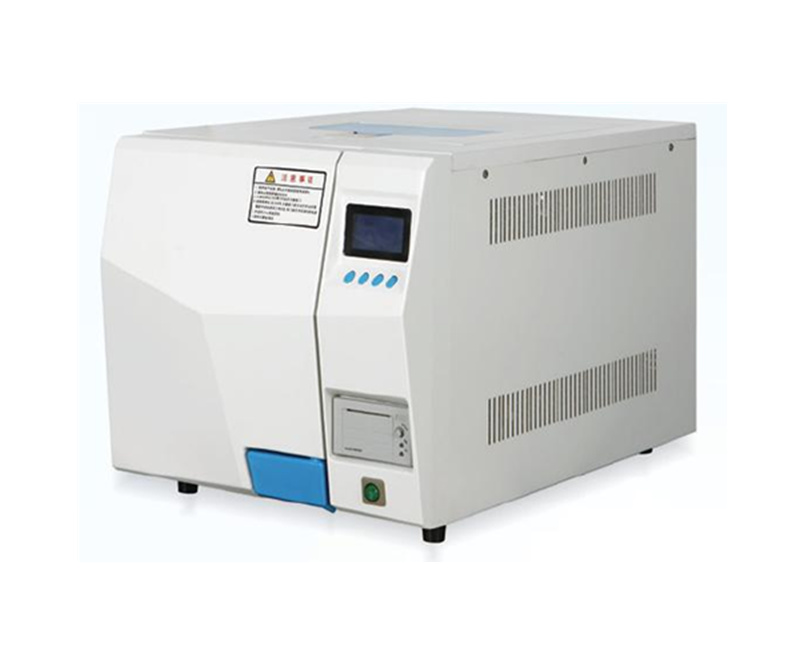
Core Tech: Gravity displacement; steam displaces ambient air downward through an exhaust valve. Best For: Unwrapped solid stainless steel instruments (scissors, forceps) and non-porous flat trays. Featured Solution: IVETWELL WMS-T Series (16L / 24L) Microcomputer-controlled cycles up to 134°C. Over-temperature, over-pressure, and automated water-shortage protection. Ideal balance of capital investment and daily clinical reliability. 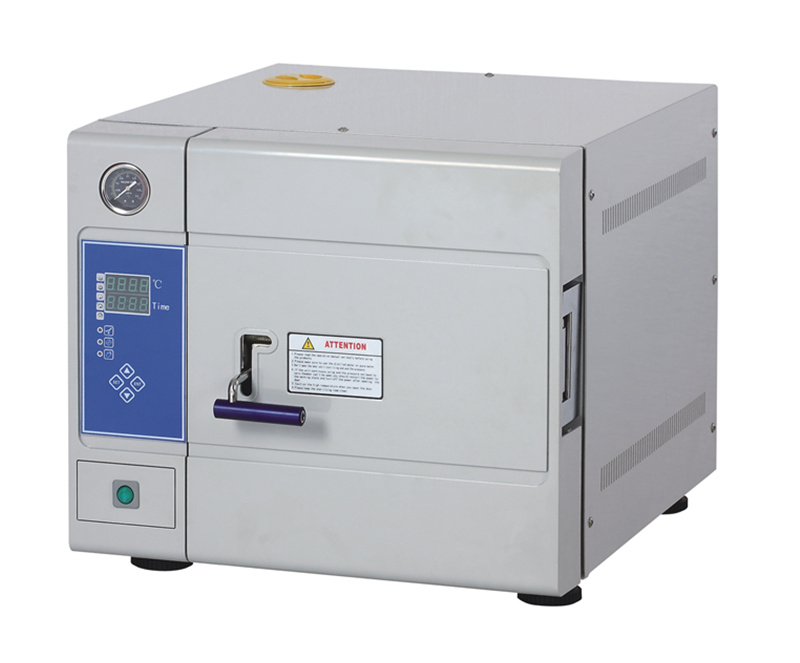
Core Tech: Rapid steam-injection cassette system. Best For: Ophthalmology, exotic animal surgery, dental clinics, and emergency STAT-cycles between patients. Featured Solution: IVETWELL WMS-KS Series (1.8L / 5.2L / 6L) Ultra-fast cycle: Complete sterilization in 6–7 minutes. Thin-wall cassette acts as both the sterilization chamber and a sterile transport container. 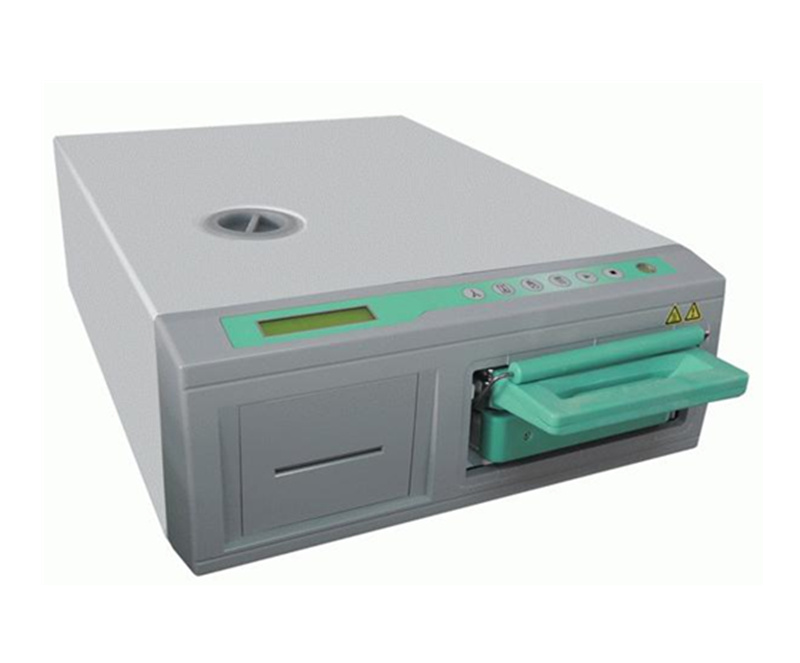
Core Tech: Heavy-duty reinforced horizontal chamber with high-power heating elements. Best For: Clinics running 8+ surgeries daily, spay/neuter outreach centers, and specialty hospitals handling bulky kit trays. Featured Solution: IVETWELL WMS-LB Series (35L / 50L) Multi-layer loading trays for processing multiple surgical packs simultaneously. Commercial-grade safety locks with automated cycle recording. 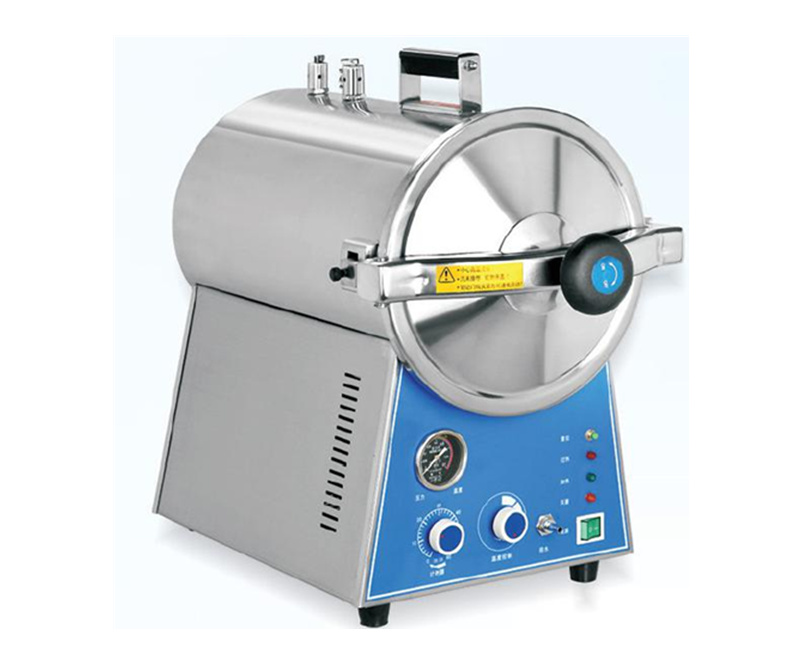
Instrument Complexity: If your practice uses cannulated surgical tools, laparoscopy kits, or wraps surgical kits in pouches, a Class B autoclave is a clinical necessity, not an upgrade. Turnaround Time vs. Total Cycle Time: Do not confuse exposure time (e.g., 4 minutes at 134°C) with total cycle time (pre-heating, air displacement, sterilization, vacuum drying, and exhaust = 30–50 minutes). Chamber Usable Dimensions: Confirm the usable internal diameter and depth, not just nominal liter capacity. Orthopedic drill kits require longer chamber depths. Voltage & Power Adaptability: Ensure stock models match local grids: 220V/50Hz, 110V/60Hz, or dual-phase configs. Quality Compliance & Documentation: Factory certifications (ISO 13485, CE documentation) are vital for smooth customs clearance and hospital tenders. Component Modularity: Quick-access solenoid valves, standard industrial heating elements, and easily replaceable silicone door gaskets reduce your local warranty servicing costs. Use Pure Water Only: Mineral-heavy tap water ruins boiler coils and clogs solenoids. Always run your autoclave on distilled or demineralized water (<15 µS/cm conductivity). Weekly Gasket Inspections: Clean door seals with a damp, lint-free cloth to prevent pressure leaks. Routine Biological & Chemical Validation: Daily: Chemical indicator strips inside each pouch. Weekly/Monthly: Spore testing (Geobacillus stearothermophilus) to biologically confirm lethality. Daily (Class B only): Bowie-Dick test to ensure zero residual chamber air. OEM / Volume Distributor Pricing Available Strict Quality Verification & Full Cycle Testing Prior to Dispatch Global Shipping Support (Sea, Air, Express Courier) Email: info@ivetwell.com Direct Business WhatsApp: +86 15311772890
B. Standard Tabletop Steam Sterilizers (General Practice)
C. Fast Cassette Autoclaves (Specialty & High Turnover)
D. High-Capacity Benchtop Sterilizers (Referral Centers & Shelters)
2. Technical Comparison: Class B Vacuum vs. Gravity Sterilizers
3. What to Evaluate Before Purchasing
For Veterinary Practices:
For Medical Equipment Distributors:
4. Maintenance Protocols to Prevent Clinic Downtime
5. Frequently Asked Questions (FAQ)
Q: Can I sterilize wrapped surgical packs in a gravity displacement autoclave?
Q: What is the main cause of premature autoclave failure?
Q: How does cassette sterilization compare to conventional autoclaves?
Direct Sourcing & Wholesale Distribution with IVETWELL
Secure Technical Specs & Wholesale Pricing Today:
Previous: None
Next: Veterinary Laser Therapy Equipment: What Veterinary Clinics Should Know