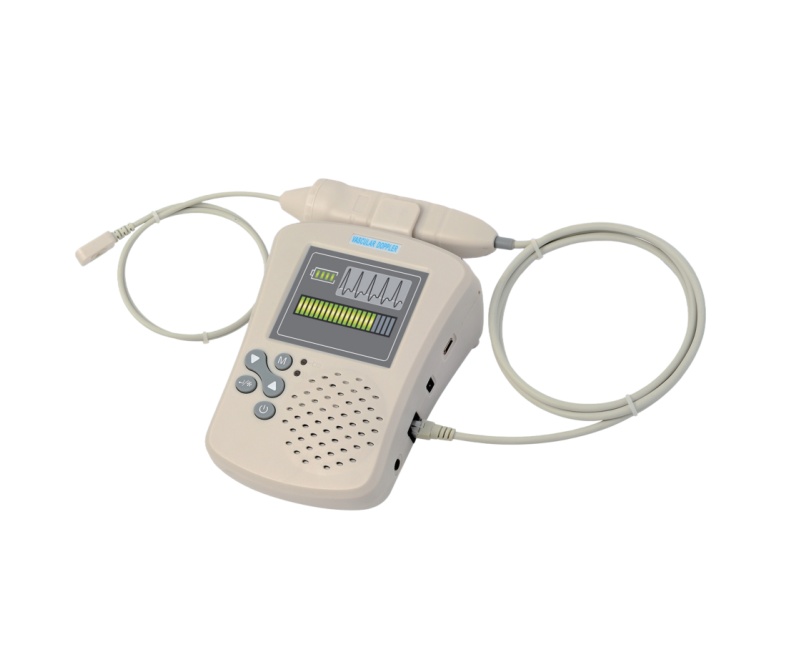
Veterinary Vascular Doppler
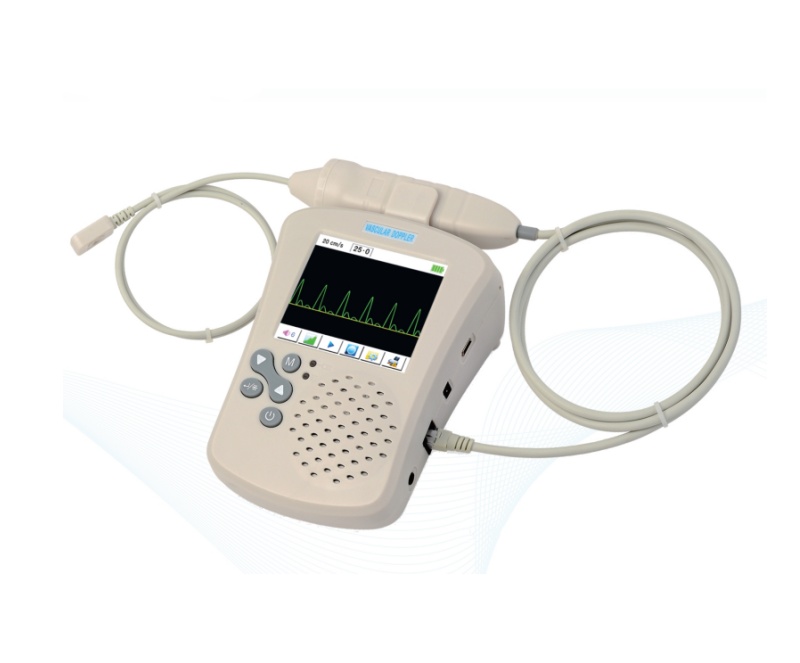
The Veterinary vascular doppler system is specifically designed for a reliable and accurate blood pressure measurement on small animals.
High-Accurancy;
hand-held;
Portable;
digital
PRODUCT DETAILS
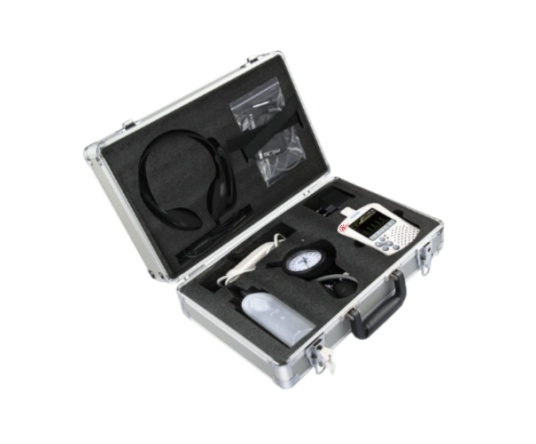
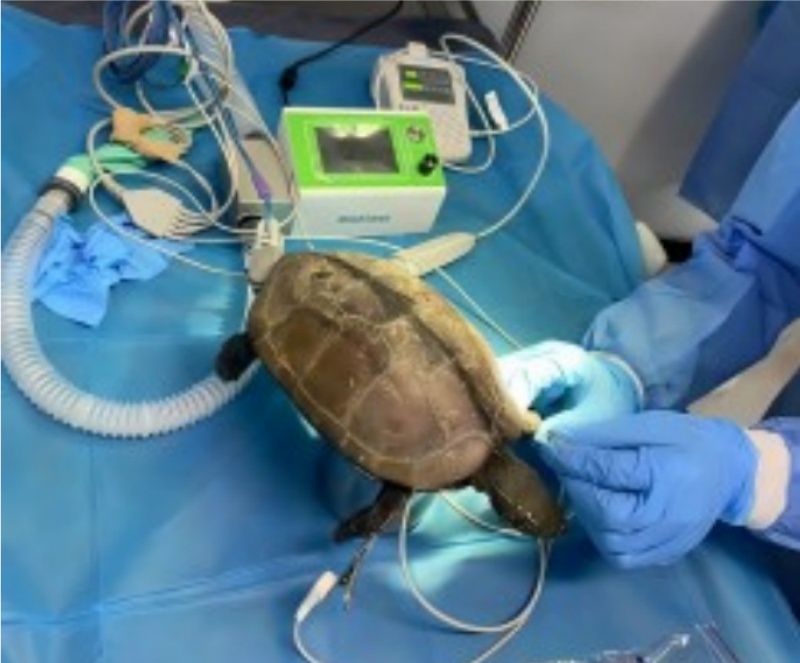
Veterinary vascular doppler (also called Doppler Vet BP) is used to detect animal vascular information,and can also be combined with a pressure gauge to form veterinary blood pressure system for detecting animal blood pressure in animal hospitals and clinics.
Product Advantages
1. Aneroid sphygmomanometer, no pollution
2. Integrated sphygmomanometer, easy to operate
3. Specialized probe with high sensitivity
4. Abundant vascular doppler menu
5. Multiple size cuff, feasible to different animals
6. Display vascular sound volume and parameter
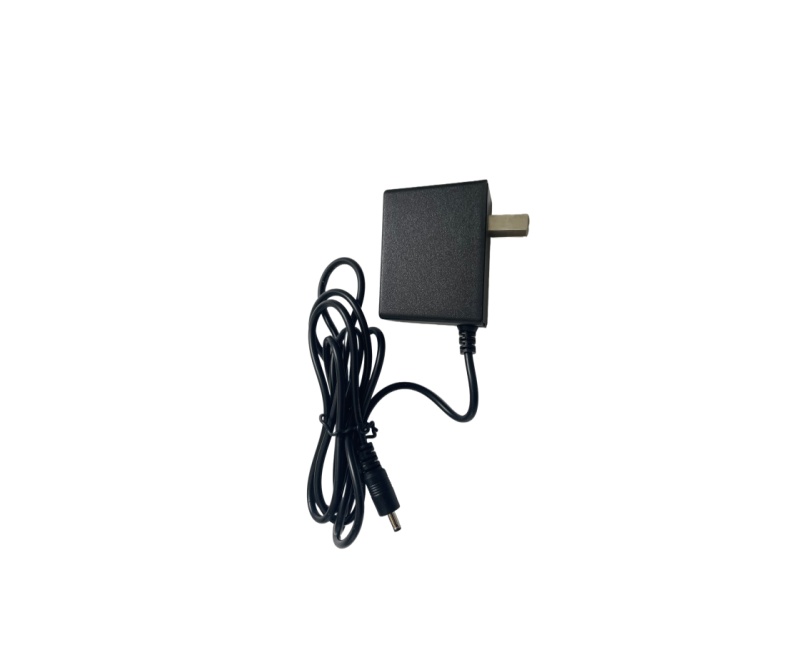
7. Both of battery and AC power supply
Technical Specifications
· Blood pressure range: 0-300mmHg
· Pressure precision :+3.75mmHg
· Vascular probe frequency: 8Mhz
· Power supply : Built-in rechargeable battery
· AC 220/110V 50/60Hz
Product Difference List
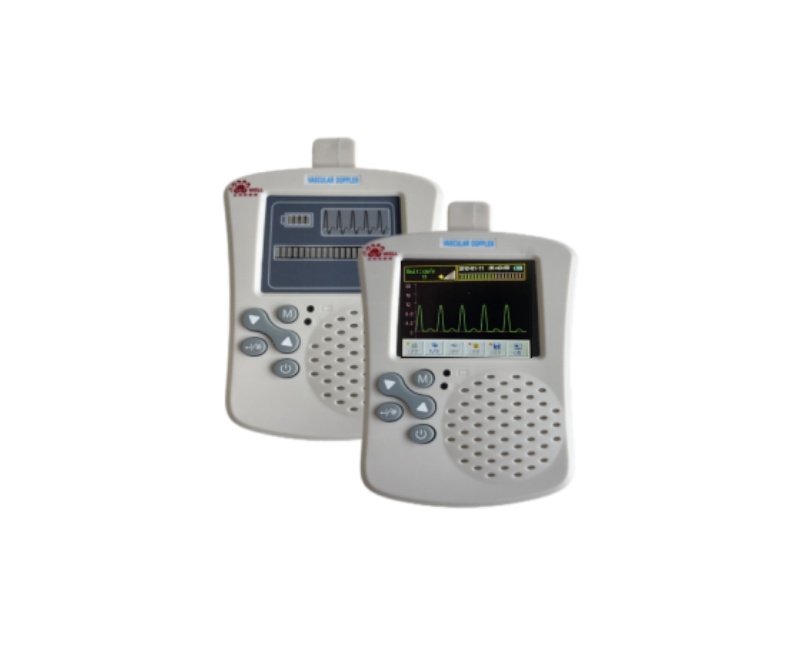
Function | BSD-3000D | BSD-3000E |
Display | B/W+Cursor | Color+Wave |
Touch Screen | NO | Yes |
8 MHz vascular probe | Yes | Yes |
Loudspeaker | Yes | Yes |
Rechargeable | Yes | Yes |
Adaptor | Yes | Yes |
FAQ
Q1: Can this Doppler device with waveform display connect to a computer?
A: The blood flow monitor cannot connect to a computer at present; this computer linkage function is still under development.
Q2: Is this an ECG monitor rather than a SpO2 monitor, meaning it does not measure blood oxygen?
A: This device is designed solely to measure blood flow velocity and monitor blood flow conditions.
Q3: Where is the strongest arterial signal found? Which artery is recommended for intraoperative monitoring?
A: Veterinarians generally monitor the proximal palmar median artery near the wrist joint on the forelimb.
Q4: How to secure the probe?
A: Some practitioners use a tongue depressor to hold the probe down and wrap it with adhesive tape. A cuff or hook-and-loop strap is also acceptable. There are no fixed requirements for the fixation method — any method that firmly holds the probe in place works.
Q5: How to measure systolic and diastolic blood pressure?
A: Deflation & Reading Procedure
Deflate the cuff slowly (pressure drop of 2–3 mmHg per second). The pressure reading at the moment you first hear distinct blood flow sounds is the systolic blood pressure (the point where arterial blood flow resumes).
Continue deflating. The pressure reading when blood flow sounds abruptly fade or disappear is the diastolic blood pressure (the point of full restoration of normal arterial blood flow).
Repeat Measurement
Take 3 to 5 consecutive measurements at the same site and calculate the average value to minimize measurement error.
Q6: What about measurement accuracy?
A: Accuracy is a critical concern for you. Here is the technical principle that guarantees precision based on the core technology of the device: Our instrument adopts advanced pulsed Doppler technology paired with high-sensitivity ultrasonic probes to accurately capture blood flow signals inside blood vessels. It precisely quantifies blood flow velocity via acoustic frequency shift.
Q7: What is the error range of this Doppler blood flow monitor?
A: Velocity measurement range: 10~50 cm/s
Measurement error: ≤20% (relative error)