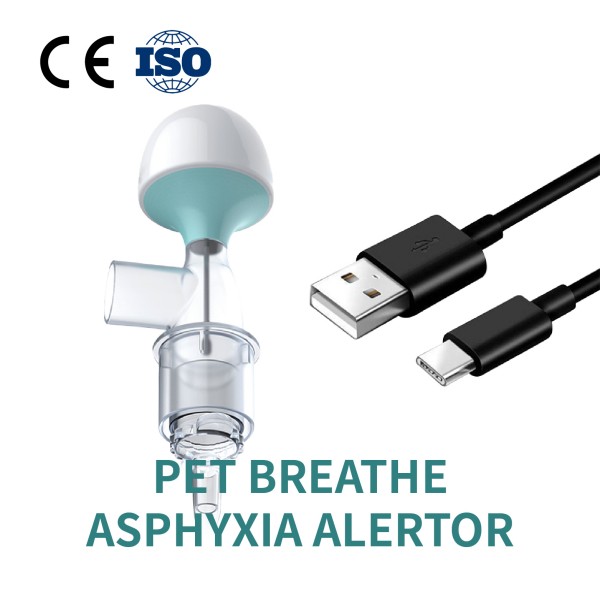
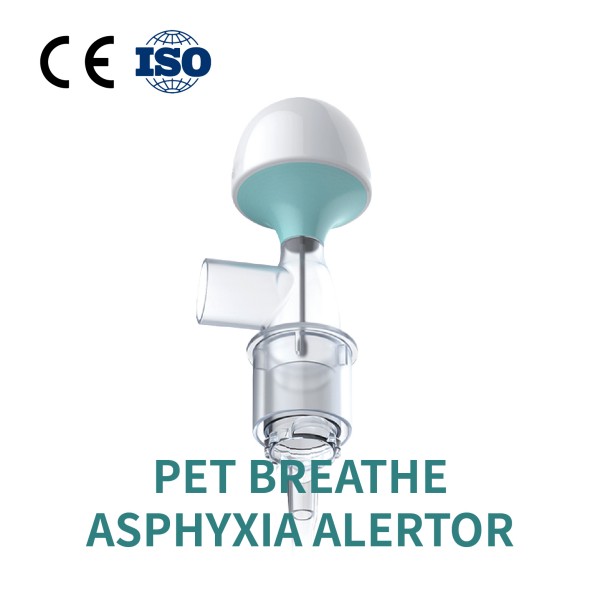
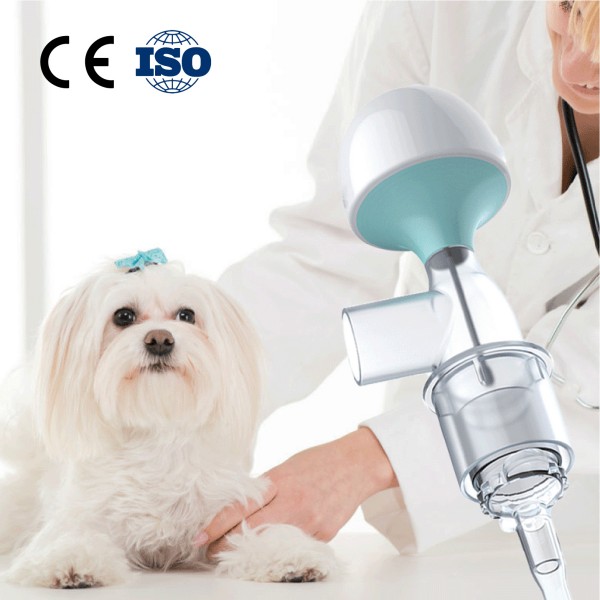
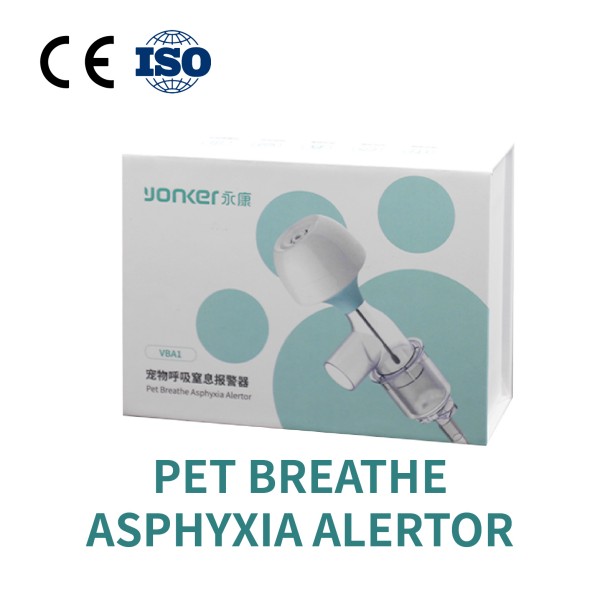
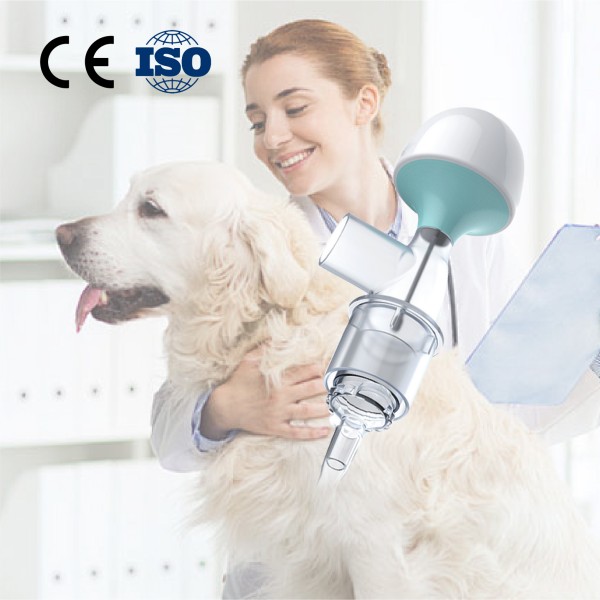
Pet Breathe Asphyxia Alertor
Almost all pet anesthetics inhibit respiration in a dose-dependent manner, which leads to respiratory asphyxia in pets The alarm has become an ideal tool for detecting breathing and evaluating the depth of anesthesia. Due to lack of testing, anesthesia period Most emergency situations can be attributed to human error. Vet APNEA Alarm Device always Maintaining vigilance can not only prevent accidental deaths, but also better manage the use of anesthetics.
PRODUCT DETAILS
Ensure Surgical Safety with Real-Time Respiratory Monitoring for Dogs and Cats
When your pet is under anesthesia, every breath counts. The Veterinary Pet Breathe Asphyxia Alertor is a professional-grade, high-sensitivity monitoring device designed to provide veterinarians and pet owners with peace of mind. By utilizing advanced infrared sensor technology, this compact device detects every breath and alerts you instantly if a respiratory irregularity occurs.
Key Features & Benefits
1. High-Sensitivity Infrared Detection
Equipped with a precision infrared sensor, the alertor monitors the airflow within the anesthesia circuit or mask. It captures even the shallowest breaths, ensuring accurate real-time data for both small kittens and large dogs.
2. Intelligent "Auto-Sense" Operation
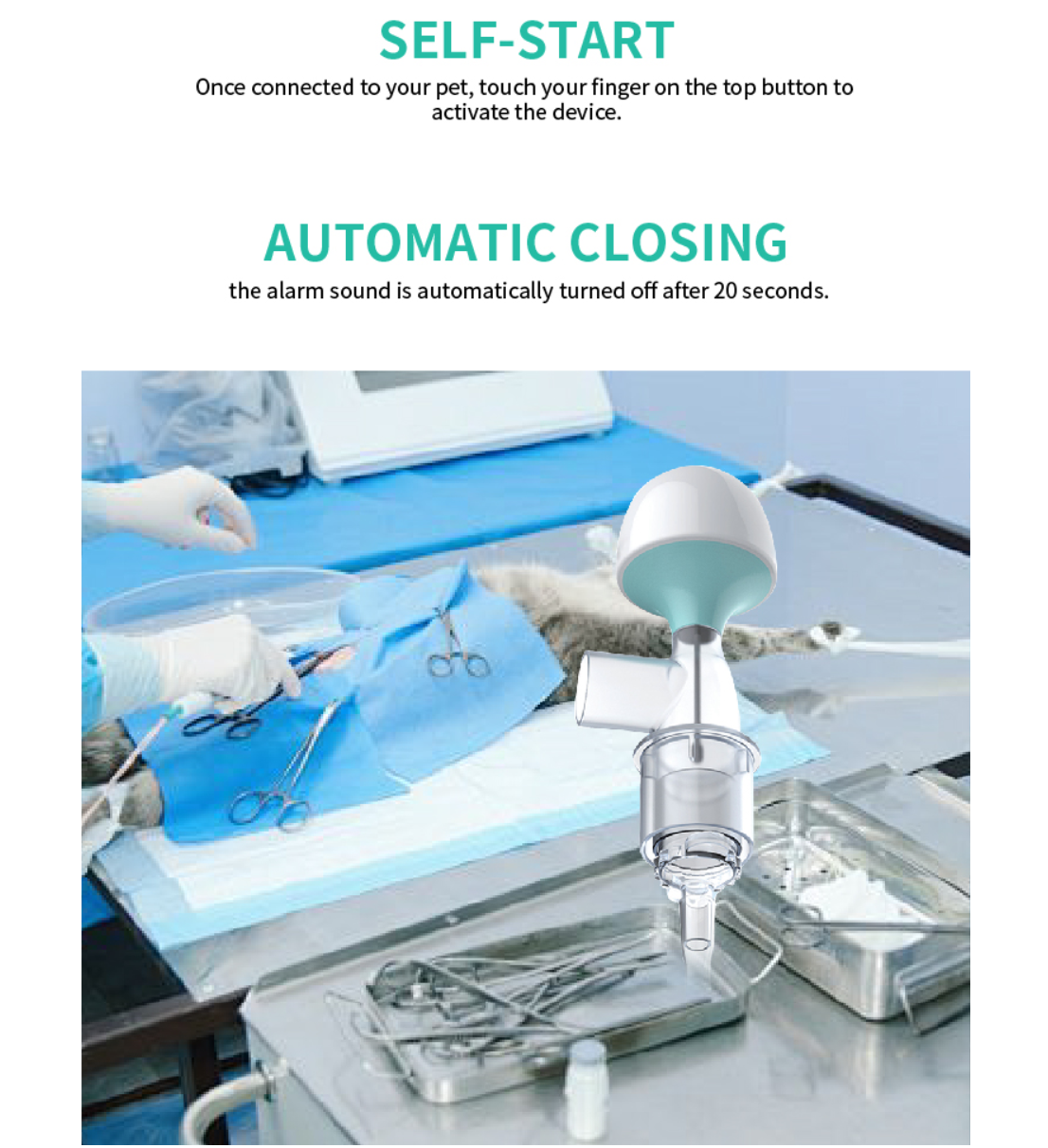
Self-Starting: No complicated menus. The device automatically activates as soon as it detects the first breath from the patient.
Automatic Closing: Once disconnected from the patient, the device shuts down to save power, making it the ultimate "set-and-forget" tool for busy clinics.
3. Rechargeable & Long-Lasting
Forget about hunting for specialized batteries. Our monitor features a standard USB charging port, allowing it to be powered by a wall outlet, laptop, or power bank. A single charge provides hours of continuous monitoring for multiple procedures.
4. Audio-Visual Alarm System
In a noisy clinic environment, a flashing light isn't enough. Our alertor features a dual-mode system:
Green LED Flash: Indicates a normal breathing cycle.
Audible Alarm + Red Alert: Triggers immediately if apnea is detected, ensuring you can respond within seconds.
5. Universal Compatibility & Easy Cleaning
Designed with a standard fitting, it connects easily to most endotracheal tubes and anesthesia circuits. The streamlined, high-quality plastic casing is easy to wipe down and disinfect between patients, maintaining strict clinical hygiene standards.
Signs of Respiratory Distress in Pets:
Breathing Issues: Rapid breathing, labored breathing with dramatic belly movement, coughing, sneezing, and wheezing.
Physical Indicators: Pale, blue, or grey gums and tongue indicate severe oxygen deprivation.
Behavioral Changes: Sudden collapse, severe restlessness, or refusing to lie down, preferring to stand with the neck extended.
Medical Emergency: If a pet exhibits these signs, it is a critical emergency requiring immediate veterinary intervention.
Common Causes: The monitors are crucial because anesthesia can cause respiratory depression.
How to Use
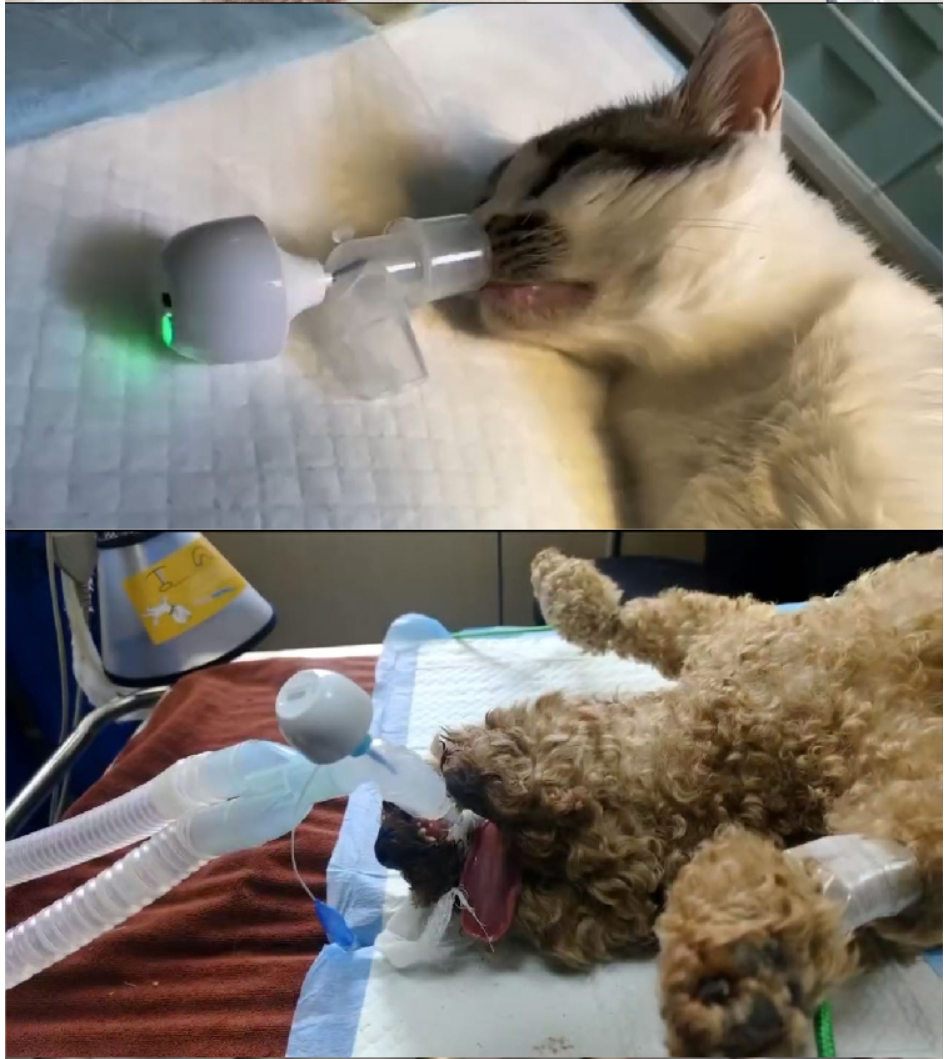
Connect: Attach the alertor between the endotracheal tube and the anesthesia machine or mask. Monitor: The device will automatically turn on. A green light will flash with every breath the pet takes. Safety: If no breath is detected for a predetermined safety interval, the alarm will sound. Disconnect: Once the procedure is over, simply remove the device. It will power down automatically.
SPECIFICATIONS
| Mini portable | L-shaped tube(ventilator or direct nasal tube) |
| Simple operation | Just connect the Vet APNEA Alarm Device to the tracheal tube and anesthesia machine,and you're all set |
| responsive | Once the patient stops breathing for 15 seconds,Vet APNEA Alarm Device will sound an alarm. |
| Automatic closing | After it is disconnected from the pet,,Vet APNEA Alarm Device is suspended for 25 seconds,and then the alarm sound is automatically turned off after 20 seconds. |
| Built-in lithium battery | Built-in lithium battery,can be charged at anytime,no battery anxiety. |