In the modern veterinary surgical environment, the difference between a chaotic workspace and a high-efficiency clinic often comes down to one thing: space management. As veterinary medicine advances, the amount of equipment required for a single procedure—anesthesia machines, patient monitors, electrosurgical units, and infusion pumps—has increased significantly.
If your clinic's floor is a maze of cables and hoses, you aren't just dealing with an aesthetic issue; you are facing a safety hazard and an efficiency bottleneck. This is where Veterinary Medical Hanging Towers (Surgical Pendants) become the backbone of the professional animal hospital.
What is a Veterinary Hanging Tower?
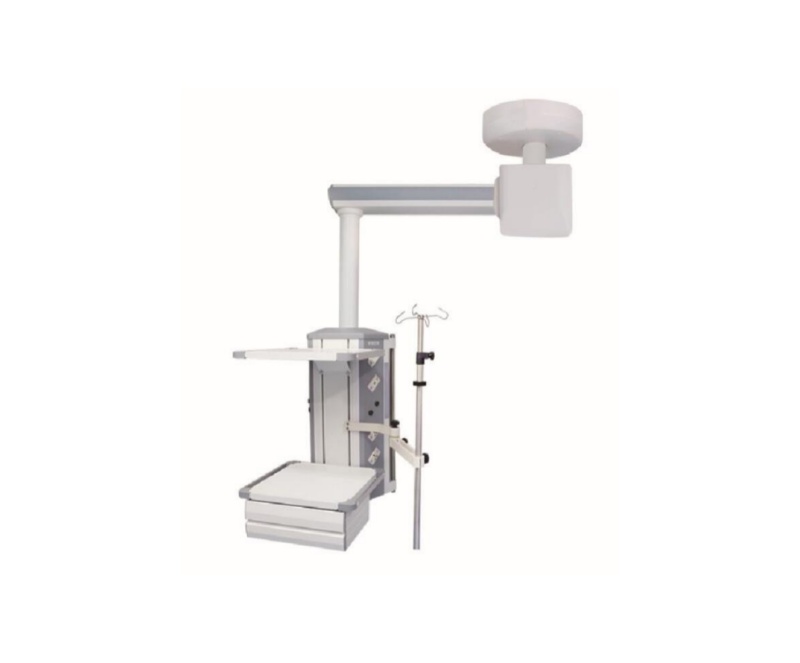
A veterinary hanging tower, often referred to as a medical pendant, is a ceiling-mounted workstation designed to provide a centralized source for medical gases, electrical power, and data ports. By elevating essential equipment off the floor and placing it within the surgeon's immediate reach, these towers transform the ergonomics of the operating theater (OT) or ICU.
Why Your Clinic Should Move from Floor-Based to Ceiling-Mounted Systems
1. Enhanced Sterile Fields and Hygiene
In veterinary surgery, infection control is paramount. Floor-standing equipment and trailing cables are "dust magnets" and make thorough floor cleaning nearly impossible during a busy day. Ceiling-mounted towers allow for a clear floor, enabling rapid disinfection between surgeries and maintaining a superior sterile field.
2. Ergonomics and Workflow Efficiency
Every second counts during a complex procedure. iVetWell’s hanging towers feature 340-degree rotation and articulated arms. This allows the surgical team to reposition anesthesia units and monitors effortlessly based on the size of the patient—from a small kitten to a large breed dog—without moving heavy carts across the room.
3. Safety: Eliminating Trip Hazards
The "spaghetti" of oxygen hoses and power cords on a clinic floor is a leading cause of workplace accidents. By integrating gas and power into a single vertical column, hanging towers eliminate trip hazards for veterinarians and technicians, ensuring a focused and safe environment.
Key Features to Look for in a Vet Surgical Pendant
When browsing our Hanging Tower collection, you will notice several configurations. Here is what matters most for a veterinary setup:
Load Capacity: Veterinary equipment can be heavy. High-strength aluminum alloy construction is essential to support multiple shelves of equipment without "drifting."
Mechanical vs. Pneumatic Braking: To prevent the arm from moving once positioned, a reliable braking system is vital. Pneumatic brakes offer smoother control, while mechanical brakes are often more cost-effective for smaller clinics.
Customizable Outlets: Different regions and different clinics have varying needs for Oxygen (O2), Vacuum, and Medical Air, as well as specific electrical socket standards.
Arm Reach: Depending on the size of your OR, you may choose a single-arm pendant for compact spaces or a double-arm pendant for 360-degree accessibility in larger surgical suites.
Electric vs. Manual Towers: Which is Right for You?
At iVetWell, we offer both manual and electric lifting towers.
Manual Towers: Best for clinics where the equipment height is relatively static. They are incredibly durable and require minimal maintenance.
Electric Towers: Ideal for multidisciplinary hospitals where the same room might be used for dental work (sitting) and orthopedic surgery (standing). The ability to adjust height at the touch of a button provides unmatched versatility.
Technical Spotlight: Integrating Gas and Power
Modern veterinary anesthesia requires a stable supply of gases. Our towers integrate medical-grade gas terminals with "anti-misplug" technology. This ensures that the oxygen line cannot be accidentally connected to the medical air port—a critical safety feature for animal patient care.
Frequently Asked Questions (FAQ)
Q1: Can my existing ceiling support a hanging tower?
A: Most veterinary clinics require a reinforced mounting plate. It is crucial to have a structural engineer or a qualified contractor assess the ceiling's load-bearing capacity (usually a concrete slab or steel I-beams) before installation. We provide detailed installation drawings for all our models.
Q2: How much maintenance do these towers require?
A: Very little. We recommend a semi-annual check of the braking system tension and an inspection of the gas seals. Because our towers use high-grade oxidized aluminum, the surfaces are resistant to harsh medical disinfectants.
Q3: Is it difficult to move the arms while a surgery is in progress?
A: Not at all. Our towers use high-precision bearings that allow for "one-finger" movement. Once the brake is engaged, the tower remains rock-solid.
Q4: Can I customize the number of shelves and power outlets?
A: Yes. Professional veterinary equipment should adapt to the user, not the other way around. We offer customizable configurations for gas outlets (O2, Air, Vac, N2O), power sockets, and the number of height-adjustable trays.
Q5: What is the benefit of a double-arm tower over a single-arm?
A: A double-arm tower provides a much larger "working radius." This is particularly useful if the surgical table is fixed in the center of the room, as it allows the equipment to be moved from the head of the patient to the side without disconnecting any lines.
Conclusion
Investing in a Veterinary Medical Hanging Tower is an investment in the longevity and professionalism of your practice. It signals to pet owners that your facility operates at the highest standard of modern medicine.
Ready to upgrade your surgical suite? Explore the full range of iVetWell Hanging Towers or contact our technical team today for a customized layout consultation.
Please contact us: info@ivetwell.com