
Veterinary Endoscopy: Using The Right Throat Endoscope In A Laryngoscopy
Jan. 29, 2026
In modern veterinary medicine, endoscopic procedures have transitioned from "luxury diagnostics" to essential clinical standards. Among these, veterinary laryngoscopy stands out as a critical, minimally invasive technique for evaluating the upper respiratory tract of companion animals and livestock. For veterinary professionals and distributors, selecting the right animal-friendly throat endoscope is crucial for achieving diagnostic precision and ensuring patient safety.
What is Veterinary Laryngoscopy?
Laryngoscopy is a diagnostic procedure used to visualize the laryngeal tissue, pharynx, and vocal folds. By utilizing a specialized veterinary laryngoscope, clinicians can detect infections, identify foreign bodies, or perform guided biopsies. Unlike traditional methods, modern endoscopy allows for a clear, magnified view of the airway, ensuring that even the most subtle abnormalities are not overlooked.
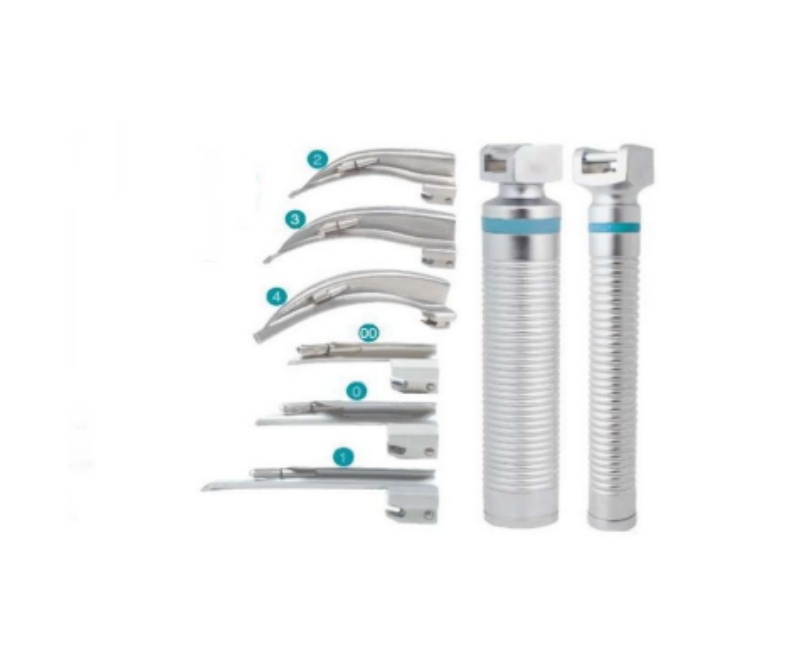
When is Laryngoscopy Indicated?
Needs vary significantly across species. Recognizing the clinical signs is the first step for any veterinary practice.
For Small Animals (Dogs & Cats):
Owners and vets should consider a laryngoscopy if the following persistent symptoms occur:
Chronic Cough: Any cough lasting more than 2-3 weeks without improvement.
Stridor or Stertor: Labored, noisy breathing or sudden voice changes.
Suspected Aspiration: Possible inhalation of foreign objects.
Dysphagia: Noticeable difficulty in swallowing food or liquids.
For Large Animals & Exotics (Horses, Cattle, Large Birds):
Equine Performance: Horses showing exercise intolerance, fatigue, or "roaring" sounds during exertion.
Bovine Respiratory Disease: Excessive salivation, inability to swallow, or nasal discharge in cattle.
Avian Distress: Open-mouth breathing, "tail-bobbing," or chronic sneezing in large birds.
The Procedure: A Step-by-Step Clinical Approach
To ensure the best diagnostic yield, a standardized protocol is followed:
Fast Preparation: Animals typically fast for 6-12 hours to prevent regurgitation.
Pre-Anesthetic Screening: A full physical exam and bloodwork ensure the patient is fit for sedation.
Sedation: Anesthesia is administered based on species-specific protocols.
Positioning: The patient is secured in a position that optimizes airway alignment.
Insertion & Inspection: The throat endoscope is gently guided through the oral cavity. The vet examines the pharynx for inflammation, tumors, or mucus buildup.
Intervention: If necessary, the vet performs foreign body retrieval or tissue sampling via the biopsy channel.
Recovery: The scope is removed, and the animal is monitored until the anesthesia wears off.
Technology Spotlight: The Modern Throat Endoscope
The industry has shifted from rigid scopes to Advanced Flexible Video Endoscopes.
These tools feature:
High-Definition Imaging: Ultra-small CMOS sensors provide real-time, crystal-clear visuals.
Exceptional Maneuverability: Flexible insertion tubes with multi-way angulation allow for navigation in complex anatomical structures.
Patient Comfort: Slimmer diameters reduce trauma, especially in sensitive avian or feline patients.
Choosing the Right Vet Laryngoscope: Buyer's Guide
Selecting the right equipment depends on your facility's primary patient base. Here are the four main categories:
Flexible Laryngoscopes: Ideal for small birds and small mammals with narrow, complex airways. (Diameter: 1.6–4.5 mm).
Portable Veterinary Endoscopes: The go-to choice for field vets working with horses and cattle. (Length: 60–100 cm).
Video Laryngoscopes: Designed for surgical precision and sharing visuals with clients or students.
Disposable Options Veterinary Endoscopes: Used in emergency or high-infection environments to eliminate cross-contamination risks.
Quick Reference: Size Selection Table
Elevate Your Practice with Professional Endoscopic Tools
Whether you are a veterinary clinic looking to upgrade your diagnostic suite or a distributor seeking reliable veterinary endoscopy solutions, selecting the right tool is paramount. Precision, durability, and image quality are the hallmarks of a professional-grade laryngoscope.
At Ivetwell, we specialize in high-performance veterinary imaging equipment tailored to every species.
Ready to enhance your diagnostic capabilities?
Contact our specialists today for a tailored quote and expert consultation.
E-mail: info@ivetwell.com
WhatsApp: +8615311772890