
Veterinary Oxygen Concentrators for Modern Clinics
Jun. 06, 2026
In the high-stakes environment of a veterinary hospital, oxygen is more than just a medical gas—it is the lifeline for patients undergoing surgery, recovering in the ICU, or battling acute respiratory distress. Historically, clinics relied heavily on high-pressure oxygen cylinders.
However, the industry is witnessing a massive shift toward Veterinary Oxygen Concentrators.
But why are more practitioners making the switch now?
This guide dives deep into the technology, the clinical benefits, and the business logic behind modern veterinary oxygen solutions.
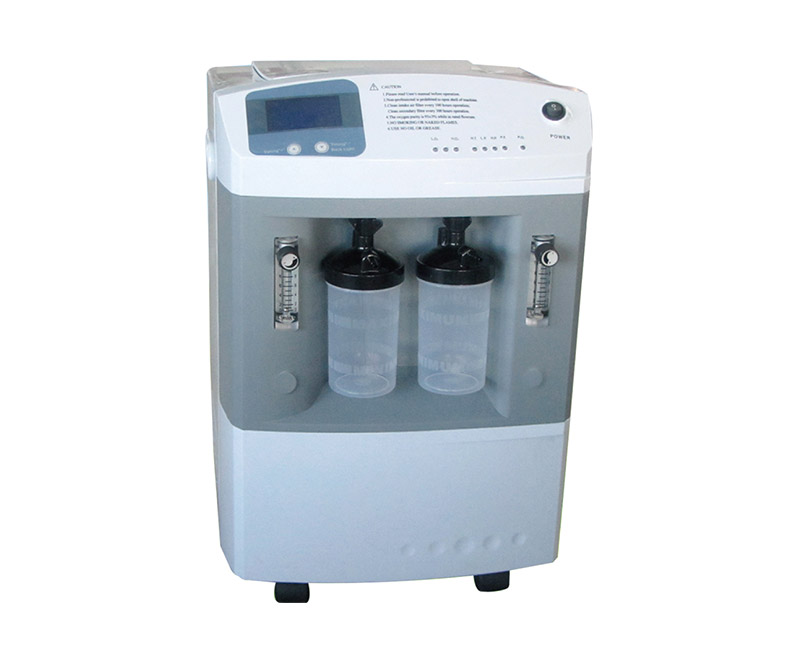
1. Why Cylinders are Becoming Obsolete?
For years, the "logistical nightmare" of oxygen tanks has been a common complaint among clinic managers. The constant cycle of ordering, storing, and replacing heavy steel cylinders is not just a labor burden; it’s a safety risk and a potential point of failure.
A Veterinary Oxygen Concentrator eliminates these hurdles by utilizing PSA (Pressure Swing Adsorption) technology. It pulls in ambient air, filters out nitrogen, and delivers medical-grade oxygen (typically 93% ±3%) on demand.
Safety First: No high-pressure storage means a significantly lower risk of fire or explosive accidents within the clinic.
Zero Downtime: You never "run out" of oxygen in the middle of a critical surgery because a delivery was delayed.
Cost Efficiency: While the initial investment is higher than a single tank, the elimination of rental fees and refill costs usually leads to a full ROI (Return on Investment) within 12 to 18 months.
2. Veterinary Oxygen Concentrators: More Than Just Anesthesia Support
While most associate oxygen concentrators with the anesthesia machine, their utility in a modern veterinary setting is far more diverse:
Critical Care & ICU: For patients with pneumonia, heart failure, or trauma, consistent oxygen therapy is vital. Modern concentrators designed for veterinary use can run 24/7, providing a stable environment in oxygen cages without the fluctuating pressures often seen with tanks.
Post-Operative Recovery: Smooth recovery from anesthesia is critical. Providing supplemental oxygen during the waking phase reduces the risk of hypoxia and speeds up the metabolic clearance of anesthetic gases.
Emergency Stabilization: When a "blue" patient (cyanotic) arrives, every second counts. Having a concentrator ready to go with the flip of a switch—without fumbling with tank valves or regulators—can be a literal lifesaver.
3. What Should a DVM Look For?
Not all oxygen concentrators are created equal. When browsing the IVetWell Veterinary Oxygen Concentrator range, pay attention to these three critical factors:
A. Flow Rate vs. Oxygen Purity
A professional vet unit must maintain high purity (above 90%) even at its maximum flow rate (e.g., 5L/min or 10L/min). Some low-end consumer models drop their purity as the flow increases—a dangerous flaw for clinical use.
B. Output Pressure
This is the most overlooked spec. Most anesthesia machines require a specific inlet pressure to function correctly. Ensure your concentrator provides sufficient output pressure (measured in PSI or bar) to drive your specific anesthesia ventilators or high-flow oxygen cages.
C. Noise Levels
Animals, especially cats and stressed dogs, are highly sensitive to high-frequency noise. Quality veterinary concentrators are engineered with advanced sound-damping enclosures to keep decibel levels low, ensuring a "Fear Free" environment for the patients.
4. Veterinary Oxygen Concentrators Maintenance
One of the reasons practitioners trust IVetWell equipment is the simplicity of maintenance. To ensure your oxygen concentrator lasts for years:
Filter Hygiene: Regularly clean the external dust filters to prevent the compressor from overheating.
Humidity Control: Use high-quality distilled water in humidification bottles to prevent mineral buildup in the tubing.
Environment: Keep the unit in a well-ventilated area. Remember, the machine needs "room to breathe" to extract the oxygen it provides to your patients.
5. Veterinary Oxygen Concentrators: A Must-Have for Practice Growth
For veterinary distributors and clinic owners, the move to on-site oxygen generation is a mark of professional maturity. It signals to pet owners that your facility is equipped with the latest technology to handle emergencies. Furthermore, from a B2B perspective, the "set it and forget it" nature of these machines reduces the operational friction that plagues many smaller practices.
Investing in a Veterinary Oxygen Concentrator is an investment in clinical independence. It frees your staff from the manual labor of tank management and provides your patients with a reliable, safe, and high-purity source of life-saving gas.
At IVetWell, we specialize in bridging the gap between high-end medical technology and the unique needs of the veterinary world. Our oxygen concentrators are built for the rigors of daily clinical use—durable, quiet, and exceptionally reliable.
E-mail: info@ivetwell.com
WhatsApp: +8615311772890