
Exotic Pet Animal Ventilator for Treating Birds, Rabbits, and Reptiles
Aug. 24, 2026
The demand for specialized exotic animal healthcare has increased significantly in recent years. More veterinary clinics are expanding their services beyond traditional dogs and cats to treat birds, rabbits, reptiles, and other small exotic pets.
However, anesthesia management for exotic animals remains one of the most challenging areas in veterinary medicine. Compared with common companion animals, exotic pets often have unique respiratory anatomy, extremely small body size, and limited physiological tolerance during anesthesia.
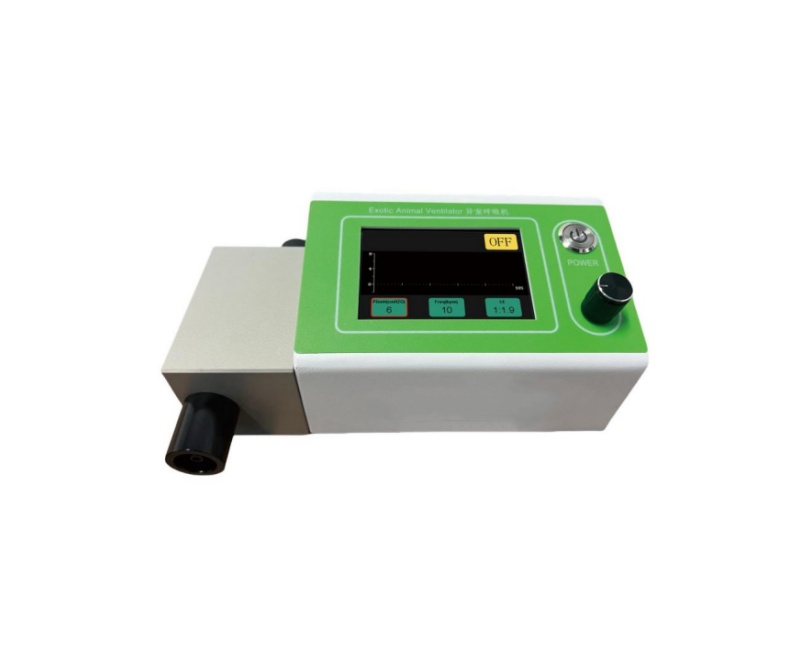
An Exotic Pet Anesthesia Ventilator is designed to provide controlled respiratory support during surgical procedures, helping veterinarians maintain stable ventilation for small and sensitive patients.
Ivetwell provides professional veterinary medical equipment solutions, including specialized anesthesia ventilation equipment designed for modern animal healthcare facilities.
What Is an Exotic Pet Anesthesia Ventilator?
An Exotic Pet Anesthesia Ventilator is a specialized respiratory support device used during anesthesia procedures for small and exotic animals.
Unlike standard anesthesia ventilation systems mainly designed for dogs and cats, exotic animal ventilators focus on precise control of:
Tidal volume
Respiratory rate
Airway pressure
Oxygen delivery
Ventilation cycles
During general anesthesia, some exotic animals may experience reduced respiratory effort or temporary apnea. Mechanical ventilation can provide intermittent positive-pressure ventilation (IPPV) to support breathing and maintain adequate gas exchange.
A professional exotic animal ventilator is commonly used in:
Exotic pet veterinary clinics
Avian hospitals
Small animal surgery centers
Veterinary universities
Research institutions
Zoo veterinary departments
Why Do Exotic Animals Require Specialized Ventilation During Anesthesia?
Unique Respiratory Challenges of Exotic Pets
Exotic animals are not simply smaller versions of dogs and cats.
Many species have different respiratory structures and anesthesia requirements.
Common challenges include:
Extremely low body weight
Small tidal volume
Sensitive respiratory systems
Higher risk of respiratory depression
Difficult airway management
For example, birds and reptiles have unique respiratory anatomy, and some species may become apneic during anesthesia procedures, requiring controlled ventilation support.
Small mammals such as rabbits, guinea pigs, and rodents also require careful ventilation management because excessive pressure or volume may create additional risks.
A dedicated small animal anesthesia ventilator helps veterinary professionals provide more accurate respiratory support compared with traditional manual ventilation methods.
Veterinary Applications of Exotic Animal Ventilator
1. Anesthesia Ventilator for Birds
Bird anesthesia requires specialized knowledge and equipment.
Common patients include:
Parrots
Cockatoos
Macaws
Small companion birds
During surgical procedures, birds may experience respiratory instability due to their unique respiratory system.
An avian anesthesia ventilator helps support:
Stable oxygen exchange
Controlled ventilation
Surgical safety
Recovery management
Common procedures requiring ventilation support include:
Tumor removal
Orthopedic surgery
Endoscopy
Beak and oral procedures
Emergency treatment
For veterinary clinics specializing in avian medicine, a dedicated ventilator can become an important part of the anesthesia workstation.
2. Rabbit and Small Mammal Anesthesia Ventilator
Rabbits and small mammals are among the most common exotic patients in veterinary clinics.
Applicable animals include:
Rabbits
Guinea pigs
Ferrets
Chinchillas
Hamsters
Rats
Mice
These animals often require highly controlled anesthesia because of:
Small body size
Sensitive respiratory function
Increased anesthesia risk
A veterinary ventilator for small animals can assist during:
Dental surgery
Soft tissue procedures
Tumor removal
Diagnostic procedures
Emergency operations
Precise ventilation control helps veterinarians maintain appropriate respiratory support throughout anesthesia.
3. Reptile Anesthesia Ventilation
Reptiles have unique physiological characteristics compared with mammals.
Common reptile patients include:
Turtles
Tortoises
Snakes
Lizards
Chameleons
During anesthesia, reptiles may require controlled ventilation because spontaneous breathing can become insufficient.
A reptile anesthesia ventilator supports:
Controlled respiratory cycles
Stable oxygen supply
Longer surgical procedures
Safer anesthesia management
Veterinary specialists can adjust ventilation parameters according to species, body size, and clinical requirements.
Key Features Veterinary Clinics Should Consider When Choosing an Exotic Pet Ventilator
Choosing the right veterinary anesthesia ventilator is an important investment decision for exotic animal hospitals.
Before purchasing, veterinary professionals usually consider the following factors.
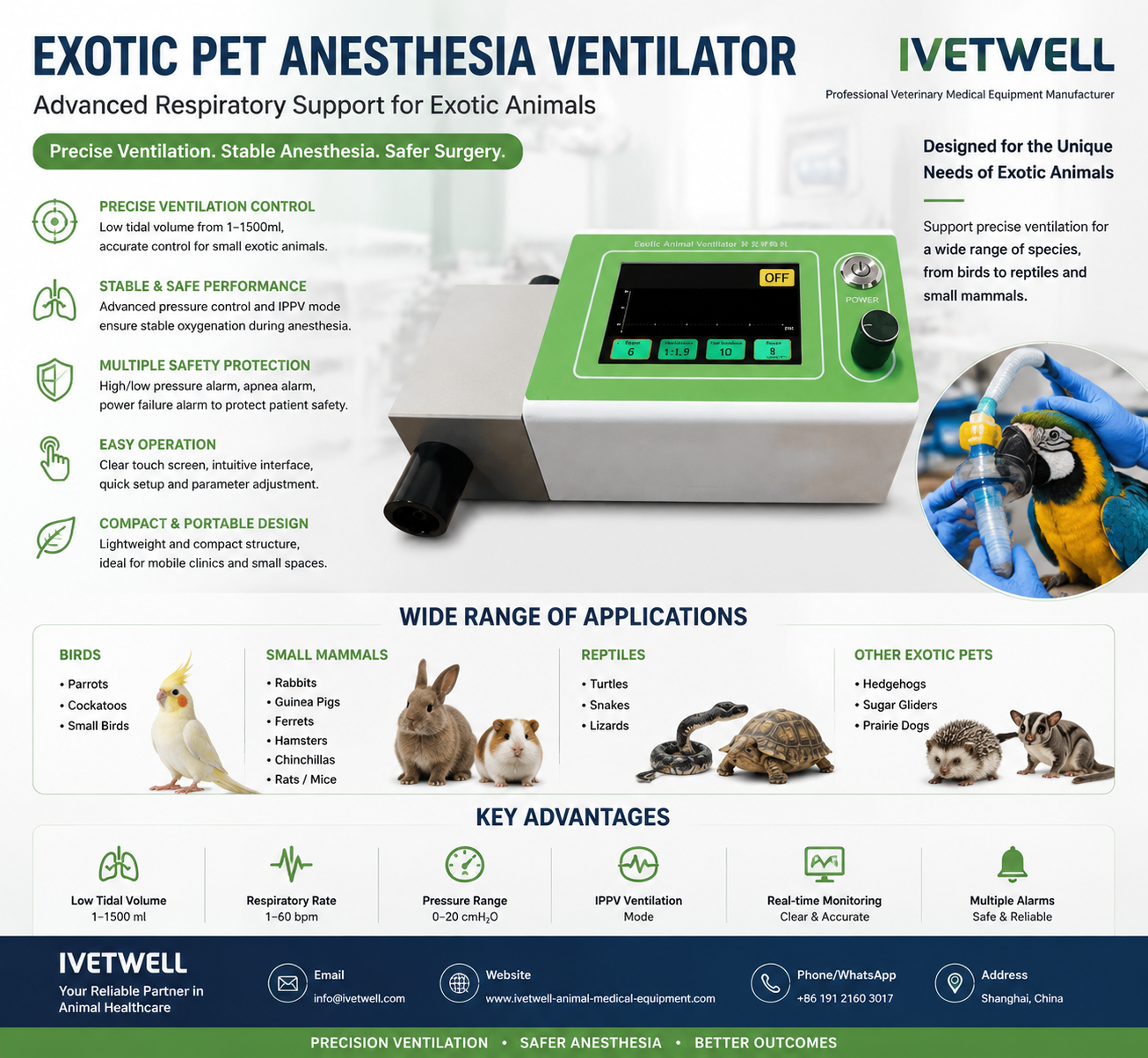
1. Precise Low Volume Ventilation Control
One of the most important requirements for exotic animals is accurate ventilation control.
A suitable exotic pet ventilator should provide:
Low tidal volume capability
Adjustable respiratory rate
Stable airflow delivery
Precise pressure control
Small animals may require much lower ventilation volumes compared with traditional companion animals, making precision essential.
2. Adjustable Airway Pressure
Pressure control is critical when treating small and delicate patients.
A professional veterinary ventilator should help veterinarians manage:
Airway pressure
Inspiration time
Expiration time
Ventilation frequency
Proper pressure management helps reduce the risk of excessive ventilation during surgery.
3. IPPV Ventilation Mode
Intermittent Positive Pressure Ventilation (IPPV) is commonly used when an animal cannot maintain adequate spontaneous breathing.
Advantages include:
Controlled respiratory support
Stable oxygen exchange
Improved anesthesia management
IPPV ventilation is especially valuable for birds, reptiles, and small mammals undergoing complex procedures.
4. Compact Design for Exotic Animal Clinics
Space efficiency is important for veterinary hospitals.
A practical portable exotic pet ventilator should provide:
Compact structure
Easy operation
Flexible installation
Convenient movement between treatment rooms
This allows veterinary teams to use the equipment in:
Surgery rooms
Examination rooms
ICU areas
Emergency departments
Common Problems Veterinary Clinics Ask Before Buying an Exotic Pet Anesthesia Ventilator
Q1: Why can't I use a standard dog or cat anesthesia ventilator for exotic pets?
Standard anesthesia systems are usually designed for larger patients.
Exotic animals often require:
Lower tidal volume
More precise pressure control
Smaller breathing circuits
Adjustable ventilation parameters
A dedicated exotic animal ventilator is designed to meet these special requirements.
Q2: Can an exotic pet ventilator be used for birds and reptiles?
Yes.
Professional exotic pet ventilators can support various species including:
Birds
Rabbits
Reptiles
Small mammals
However, ventilation settings should always be adjusted according to species, size, and veterinary protocols.
Q3: What animals can use an exotic pet anesthesia ventilator?
An exotic pet ventilator can be used for:
Birds
Parrots
Cockatoos
Small birds
Small Mammals
Rabbits
Guinea pigs
Ferrets
Hamsters
Chinchillas
Reptiles
Turtles
Snakes
Lizards
Q4: Why is mechanical ventilation important during exotic animal surgery?
During anesthesia, some exotic animals may experience:
Reduced breathing effort
Respiratory depression
Temporary apnea
Mechanical ventilation helps provide controlled respiratory support and maintain ventilation during surgical procedures.
Q5: How do I choose the best anesthesia ventilator for an exotic animal clinic?
Veterinary buyers should evaluate:
Ventilation accuracy
Pressure control capability
Supported animal size range
Alarm functions
Ease of operation
Maintenance requirements
Supplier experience
A reliable supplier should not only provide equipment but also offer technical support and long-term service assistance.
Why Choose Ivetwell Exotic Pet Anesthesia Ventilator?
Selecting a reliable veterinary equipment supplier is essential for clinics and distributors.
Ivetwell specializes in veterinary medical equipment solutions and supports customers including:
Exotic animal clinics
Veterinary hospitals
Animal surgery centers
Veterinary distributors
Research institutions
Advantages include:
Professional veterinary equipment manufacturing experience
Stable product quality
OEM/ODM customization support
International export experience
Technical support
Complete veterinary equipment solutions
For veterinary businesses searching for a reliable exotic pet anesthesia ventilator manufacturer, Ivetwell provides professional solutions designed for modern animal healthcare.
Conclusion: Improve Exotic Animal Surgery with Advanced Ventilation Technology
An Exotic Pet Anesthesia Ventilator is becoming an essential tool for veterinary clinics specializing in birds, rabbits, reptiles, and other small animals.
Because exotic pets have unique anatomical and physiological characteristics, precise ventilation support plays an important role in safer anesthesia management.
From avian surgery to rabbit dental procedures and reptile treatment, advanced veterinary ventilation technology helps clinicians provide more controlled and reliable care.
For veterinary hospitals, exotic animal specialists, and distributors searching for professional veterinary anesthesia ventilator solutions, Ivetwell provides reliable equipment designed to support the future of animal healthcare.
Contact Ivetwell today to learn more about exotic pet anesthesia equipment solutions.