Guide to Selecting Veterinary Endoscopy Systems
Apr. 30, 2026
In the evolving landscape of animal healthcare, the shift from traditional open surgery to minimally invasive surgery (MIS) is no longer a luxury—it is a standard of care. For veterinary clinics looking to elevate their diagnostic capabilities and surgical outcomes, investing in a high-quality veterinary endoscopy system is a pivotal move.
However, with various technologies ranging from 1080P imaging to specialized rigid scopes, how to choose for your animal hospital?
This guide breaks down the essentials of modern veterinary endoscopy.
1. Rigid vs. Flexible Endoscopes: Which Does Your hospital Need?
One of the most frequent questions we encounter at IvetWell is whether a clinic should prioritize rigid or flexible systems. The answer depends entirely on your patient demographic and clinical goals.
Veterinary Rigid Endoscopes: Precision for Small Cavities
Rigid endoscopes are indispensable for procedures involving non-tubular cavities. They are the backbone of:
Laparoscopy: Minimally invasive spays, biopsies, and gastropexy.
Rhinoscopy & Otoscopy: Ideal for chronic ear infections or nasal foreign body removal in small animals.
Arthroscopy: Visualizing joint spaces in orthopedic cases.
The advantage of a rigid system, such as our Veterinary Rigid Endoscope series, lies in its superior optical clarity and durability, providing the high-torque resistance needed for surgical maneuvers.
Flexible Endoscopes: Navigating the GI and Respiratory Tracts
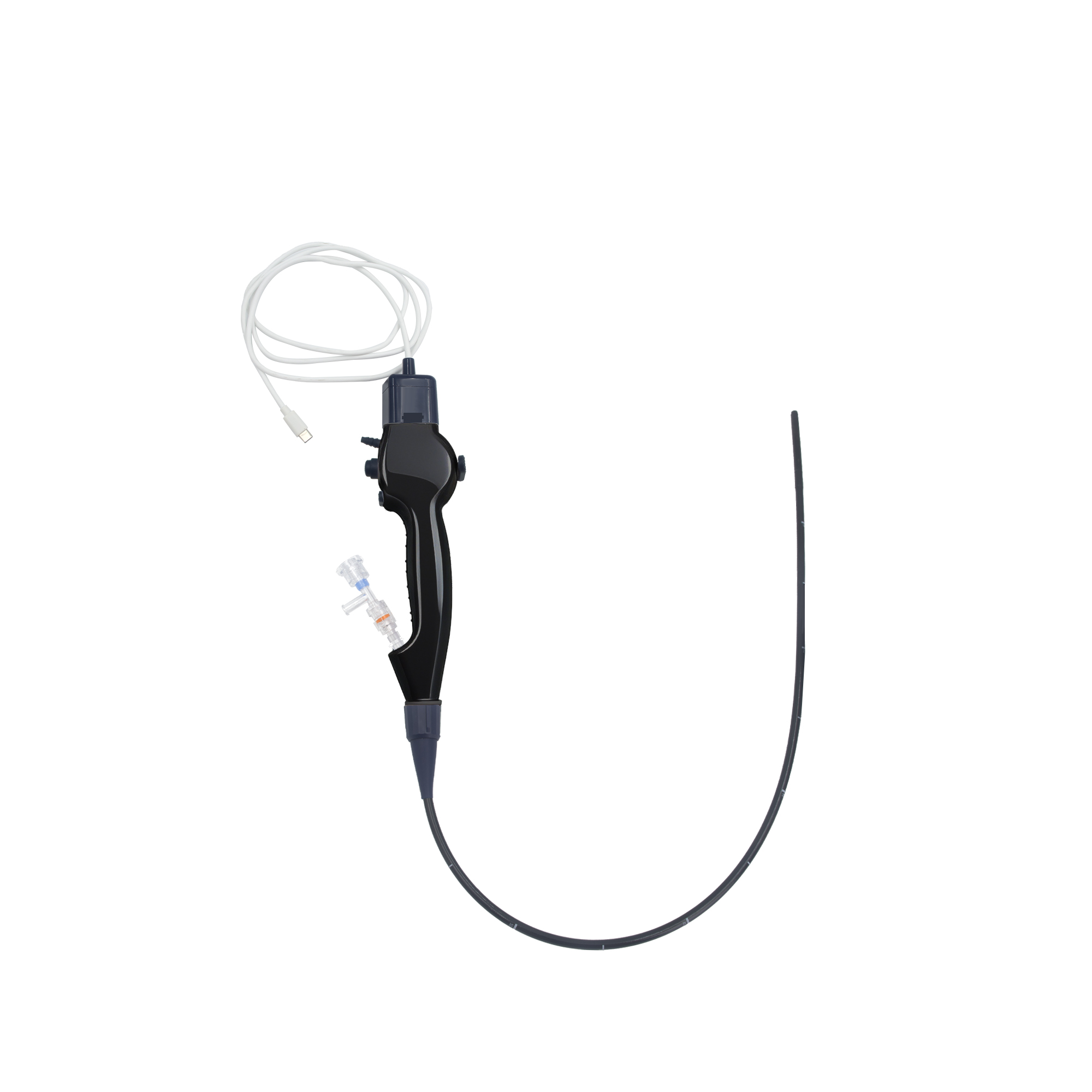
If your clinic handles frequent gastrointestinal (GI) cases or respiratory issues, a flexible veterinary endoscope is essential. These allow for:
Gastroscopy: Non-surgical removal of foreign bodies (a common emergency in canine patients).
Bronchoscopy: Evaluating the lungs and collecting BAL (Bronchoalveolar Lavage) samples.
For multi-specialty clinics, having a modular system that supports both rigid and flexible attachments is often the most cost-effective strategy.
2. The Power of Full HD Imaging in Veterinary Diagnostics
Diagnostic accuracy is only as good as the image on the monitor. Modern veterinary endoscopic imaging systems have moved far beyond the grainy analog displays of the past.
Integrating a Full HD (1920x1080) camera system allows practitioners to see minute mucosal changes, vascular patterns, and early-stage lesions that are invisible to the naked eye. Features like high-speed shutter control and auto-white balance are critical when moving between the dark environment of a stomach and the bright light required for otoscopy.
At IvetWell, our Vet Full HD Imaging System is designed specifically to handle the rugged environment of a busy animal hospital while delivering the "human-grade" clarity that pet owners now expect.
3. Improving ROI: Why Minimally Invasive Equipment Wins
Investing in small animal minimally invasive surgery equipment isn't just about medicine; it's a smart business decision.
Faster Recovery: Patients experience less post-operative pain and shorter hospital stays, leading to higher client satisfaction.
Increased Revenue: Procedures like endoscopic biopsies or foreign body removals are higher-value services compared to traditional methods.
Professional Differentiation: Standing out as a tech-forward clinic helps in recruiting top-tier veterinary talent and attracting a premium clientele.
4. Key Factors When Choosing a Veterinary Endoscopy Supplier
When sourcing equipment globally, price is important, but it shouldn't be the only factor. To ensure long-term success, consider:
Component Compatibility: Does the camera system work with various scope diameters (from 2.7mm for exotic pets to 10mm for large dogs)?
Light Source Longevity: Look for LED cold light sources, which offer thousands of hours of life without the heat risk of traditional halogen bulbs.
After-Sales Support: Veterinary medicine is demanding. Ensure your supplier provides technical guidance and easy access to replacement parts like trocars, forceps, and light cables.
5. Maintenance Tips for Longevity
To protect your investment, proper sterilization and handling are non-negotiable. Always use enzymatic cleaners specifically designed for optical instruments and ensure that your staff is trained in "leak testing" for flexible scopes. A well-maintained system can serve a clinic for over a decade.
Whether you are performing a routine spay or a complex diagnostic gastroscopy, the right veterinary endoscopy system transforms the way you practice medicine. By prioritizing high-definition imaging and versatile hardware, you provide better care for your patients and a more efficient workflow for your team.
Are you looking to upgrade your clinic's surgical suite? Explore the IvetWell Veterinary Endoscopy range for professional-grade imaging systems and specialized scopes tailored for animal health.
E-mail: info@ivetwell.com
WhatsApp: +8615311772890