
Veterinary Electrosurgical Generator: Types, Applications, Maintenance and Buying Guide
Sep. 12, 2026
A veterinary electrosurgical generator provides controlled high-frequency electrical energy for tissue cutting and coagulation during animal surgery. Different generators offer different power levels, operating modes and monopolar or bipolar functions, so the right choice depends on the animal species, surgical procedures and workload of the veterinary facility. For clinics, hospitals and distributors, understanding these differences is essential before purchasing veterinary electrosurgical equipment.
What Types of Veterinary Electrosurgical Generators Are Available?
Veterinary electrosurgical generators can be classified in several practical ways.
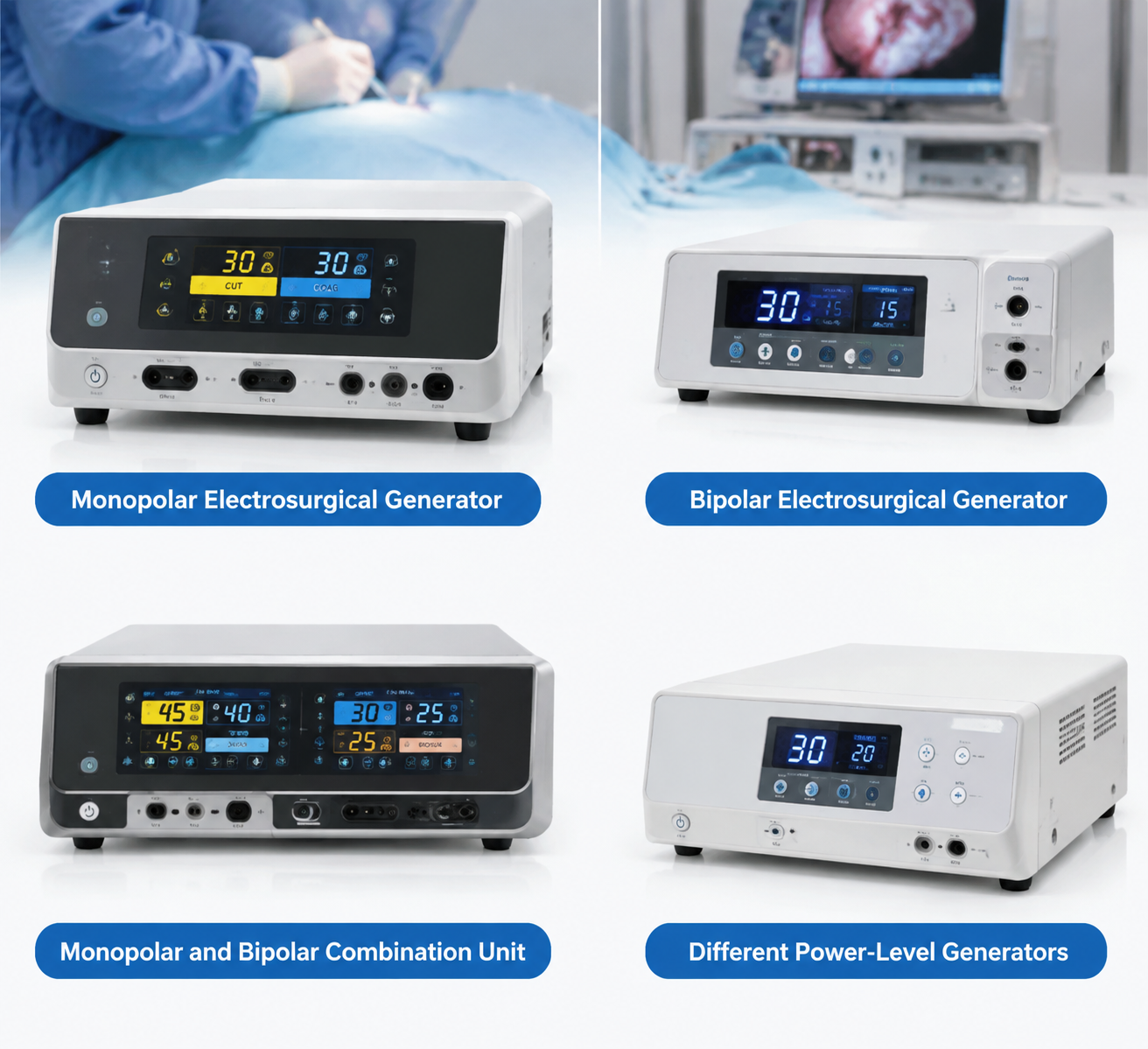
1. Monopolar Electrosurgical Generator
A monopolar veterinary electrosurgical unit uses an active electrode at the surgical site and a return electrode connected to the patient.
It is commonly used for:
Tissue cutting
Soft-tissue surgery
Coagulation
General veterinary surgery
Dermatological procedures
Monopolar systems are widely used because they can provide different cutting and coagulation modes from one generator.
2. Bipolar Electrosurgical Generator
A bipolar veterinary electrosurgical unit delivers electrical energy between two electrodes, usually incorporated into bipolar forceps.
It is often selected when controlled coagulation is required in a more localized surgical area.
3. Monopolar and Bipolar Combination Unit
For veterinary hospitals and busy animal clinics, a monopolar and bipolar electrosurgical generator can be a more versatile option.
For example, IVETWELL's veterinary electrosurgical equipment includes systems designed with both monopolar and bipolar functions, allowing one unit to support different surgical requirements. Some models also incorporate REM monitoring for return-electrode contact.
4. Different Power-Level Generators
Veterinary electrosurgical generators are also available in different output ranges.
Lower-power models can be suitable for smaller practices and routine procedures, while higher-power systems are generally considered when a broader range of surgical applications is required.
The important point is not simply choosing the highest wattage. The generator should match the intended procedures, animal sizes and accessories.
What Animals Can Use Veterinary Electrosurgical Equipment?
Veterinary electrosurgical generators are used across different animal-care environments.
Include:
Dogs and cats – small-animal hospitals and veterinary clinics
Horses – equine veterinary surgery
Cattle and other livestock – large-animal veterinary practices
Rabbits and other small animals – specialized veterinary clinics
Exotic animals – where the surgical procedure and equipment configuration are appropriate
The suitable power setting and electrode configuration should always be determined by a qualified veterinary professional according to the animal, procedure and clinical requirements.
Common Applications of Veterinary Electrosurgery
A veterinary electrosurgical generator for animal surgery can be used in a range of procedures where controlled cutting or coagulation is required.
Common application areas include:
General veterinary surgery
Soft-tissue surgery
Dermatological surgery
Abdominal surgery
Vascular coagulation
ENT procedures
Orthopedic procedures
Minimally invasive surgery
Veterinary oncology procedures
The exact application depends on the generator, accessories and clinical protocol.
What Should Be Checked Before Using an Electrosurgical Generator?
Correct operation is important for both equipment performance and patient safety.
Before surgery, the veterinary team should check:
Power supply: Confirm that the generator matches the local voltage and frequency.
Cables and electrodes: Inspect cables,
Previous: None